

Prep the grill for direct heat
Start with a clean grate and clear zones. A two-zone setup gives you the control needed to sear a filet mignon, brown a burger, and finish a whole chicken without flare-ups or uneven cooking. Think of the grill as a kitchen range: one side is the burner, the other is the counter where you rest food.
Clean and oil the grates
Brush away old residue with a stiff grill brush while the grates are still cool, then heat the grill to high for 15 minutes to burn off remaining particles. Once the metal is hot, fold a paper towel, dip it in vegetable oil, and use tongs to wipe the grates thin. This creates a non-stick surface that helps food release easily and prevents sticking.
Create two heat zones
For charcoal grills, pile the lit coals on one side only. For gas grills, turn all burners to high to preheat, then turn off one or more burners on one side. You should have a hot side (direct heat) for searing and a cooler side (indirect heat) for slower cooking or resting. This layout is essential for managing the different cook times of burgers, steaks, and chicken.
Check the temperature
Hold your hand about 5 inches above the grates. If you can only hold it there for 2-3 seconds, the heat is high (450°F+), ideal for searing steaks and burgers. If you can hold it for 4-5 seconds, the heat is medium-high, better for chicken or thicker cuts. Adjust vents or burner knobs to maintain this temperature range before placing any protein on the grill.
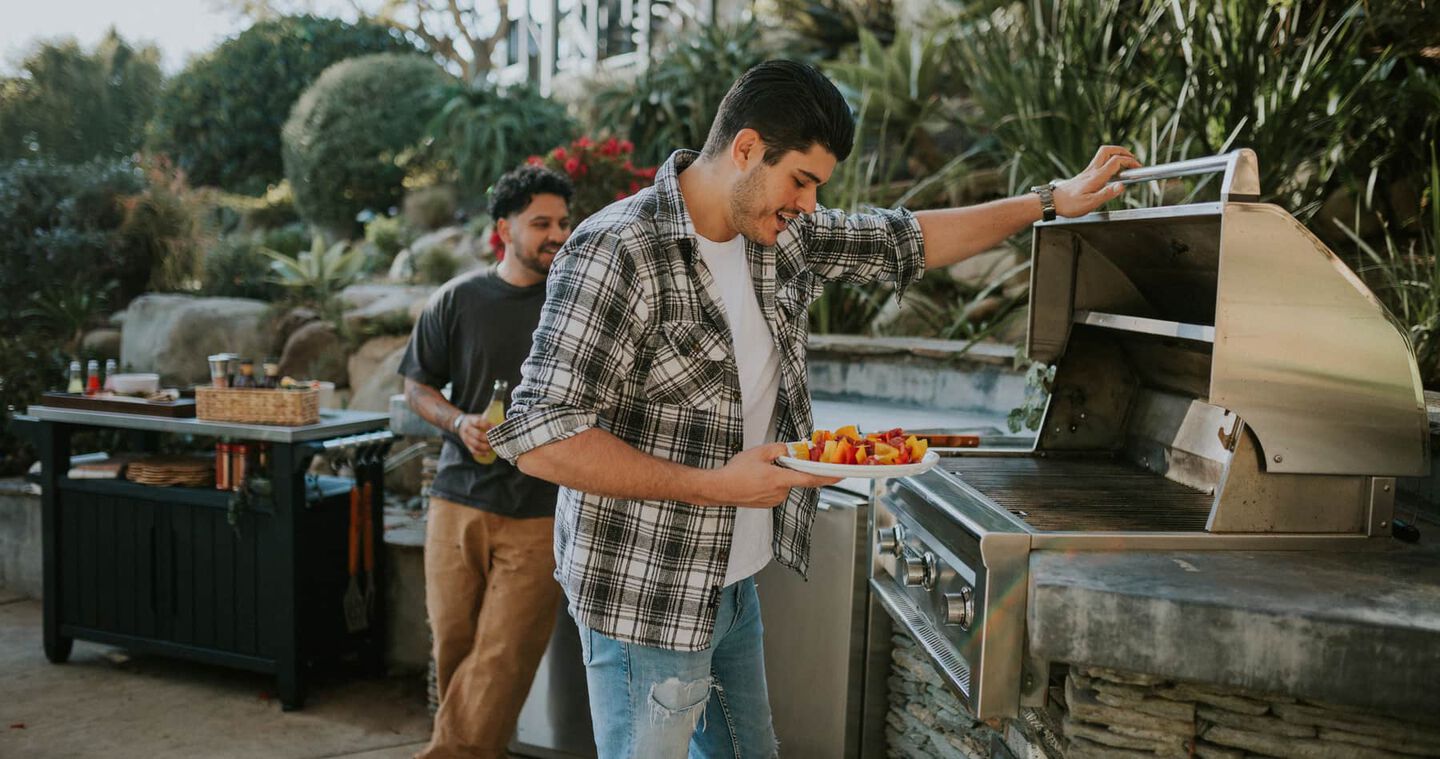
Brush off debris while cool, then heat to high to burn off residue. Wipe with oiled paper towel to prevent sticking.
Pile coals on one side or turn off gas burners on one side. This creates a direct heat zone for searing and an indirect zone for finishing.
Hold your hand over the grates. 2-3 seconds means high heat for steaks and burgers. 4-5 seconds means medium-high for chicken.
Sear the filet mignon
Filet mignon is the most tender cut of beef, but its leanness makes it the easiest to dry out. Because it lacks the heavy marbling of a ribeye or the connective tissue of a strip, it offers little forgiveness for high heat or poor timing. To keep it juicy, you must treat the sear as a precision task, not a brute-force one.
Remove the filet from the refrigerator 45 minutes before grilling. Pat it dry with paper towels and season generously with kosher salt and coarse black pepper. Letting the steak come to room temperature ensures it cooks evenly; a cold center will lead to a burnt exterior and a raw interior.
Prepare your grill for indirect heat. Light all burners or coals on one side (direct zone) and leave the other side empty (indirect zone). You want the direct side to reach 450°F to 500°F for a hard sear, while the indirect side stays around 300°F to finish the cook gently.
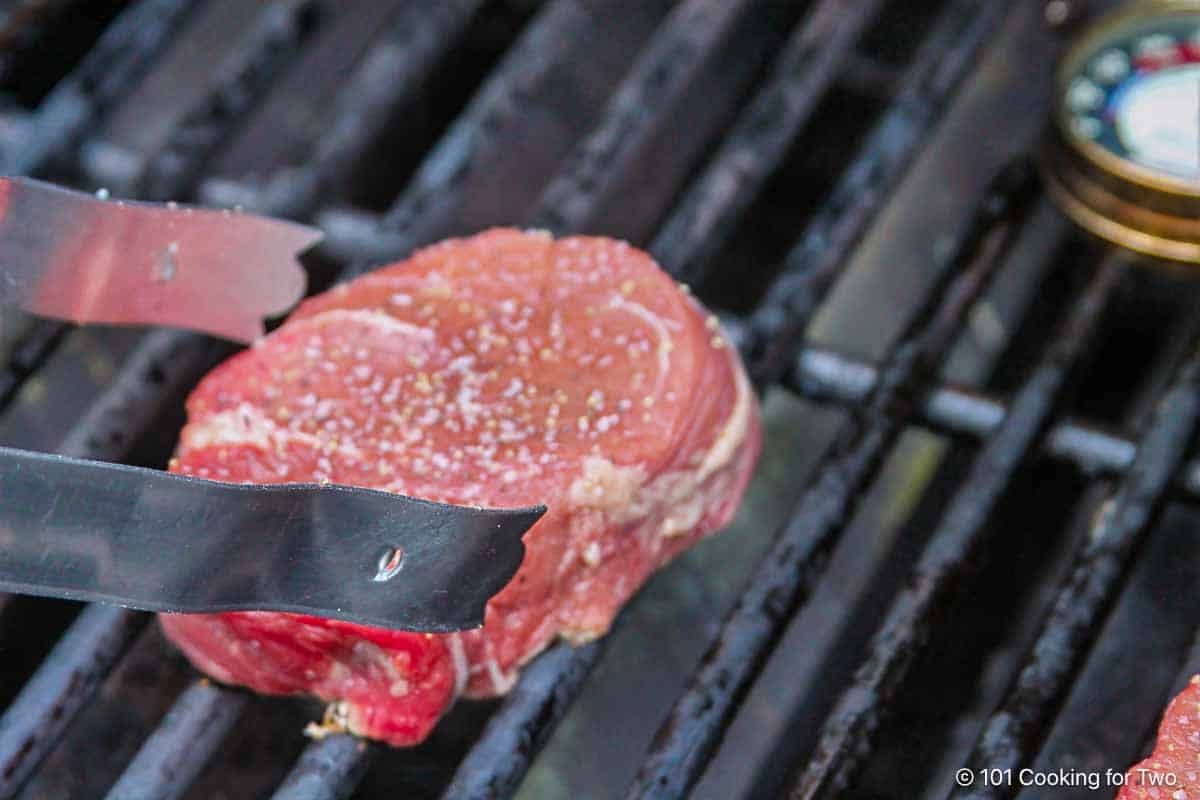
Place the steak directly over the hot zone. Sear for 60 to 90 seconds per side, including the edges, until a deep brown crust forms. Do not move the steak until it releases naturally from the grates; forcing it will tear the crust and ruin the texture. Flip only once or twice to maintain consistent heat contact.
Move the steak to the cool side of the grill. Close the lid and let the gentle heat penetrate the center. Insert an instant-read thermometer into the thickest part of the meat. Pull the steak when it is 5°F below your target temperature, as residual heat will continue to cook it while it rests.
Transfer the steak to a warm plate or cutting board and tent loosely with foil. Let it rest for 5 to 10 minutes. This allows the muscle fibers to relax and reabsorb the juices. If you cut into it immediately, the juices will run out onto the board, leaving the meat dry.
The goal is a uniform pink center with a distinct, dark crust. If the steak is thicker than 1.5 inches, you may need more time on the indirect side. Always trust the thermometer over guesswork, as filet mignon’s low fat content means it will turn gray and tough the moment it goes past medium.
Grill burgers without drying out
The biggest mistake home cooks make with burgers is treating them like steaks. While you should bring steaks to room temperature before cooking, that rule does not apply to ground beef. According to food safety guidelines and grilling experts, raw ground beef should never sit out at room temperature. Bacteria multiply rapidly in the "danger zone" between 40°F and 140°F, and because the grinding process distributes surface bacteria throughout the patty, you need to keep that meat cold until it hits the grill. This is the one major exception to the general "room temperature" rule for grilling.
Start by shaping your patties gently. Overworking the meat packs it down, leading to a dense, tough texture. Create a slight indentation in the center of each patty with your thumb. This counteracts the natural tendency of the meat to puff up in the middle as it cooks, ensuring an even thickness from edge to edge. Season the outside generously with salt and pepper just before placing them on the grate.
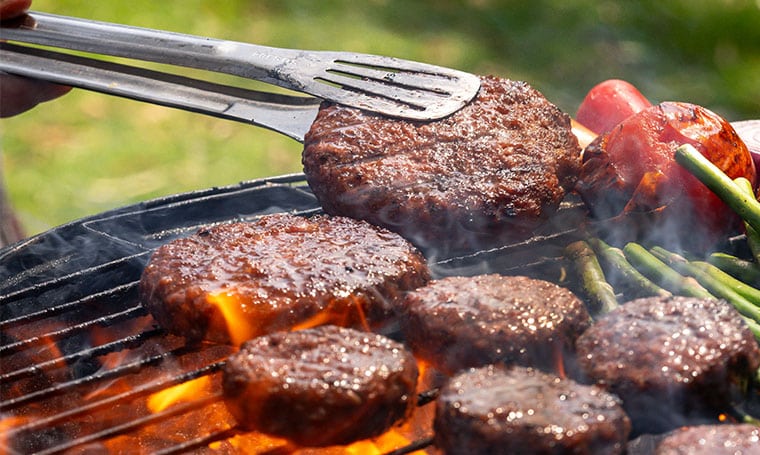
Place the cold patties directly over the hottest part of your grill. Do not move them for at least three to four minutes. You are looking for a deep, brown crust to form. If the patties stick to the grate, they are not ready to flip. Patience here ensures a proper sear rather than steaming the meat.
Flip the burgers only once. Cook the second side for another three to four minutes, or until the internal temperature reaches 160°F for ground beef. Use an instant-read thermometer inserted into the side of the patty for the most accurate reading. Avoid poking the top, which can release juices.
Remove the burgers from the grill and let them rest on a plate for two to three minutes before serving. This allows the juices, which have rushed to the center during cooking, to redistribute throughout the patty. This simple step makes a noticeable difference in tenderness.
A properly grilled burger should be juicy and tender, with a distinct smoky crust. By keeping the meat cold until it hits the heat, avoiding the press, and letting it rest, you achieve a result that rivals any restaurant quality. The goal is simplicity: good meat, high heat, and minimal interference.
Roast whole chicken indirectly
Indirect heat turns your grill into an oven. By moving the coals to the sides or turning on only half the burners, you create a safe zone in the middle. This allows the chicken to roast evenly without the skin burning before the meat is done.
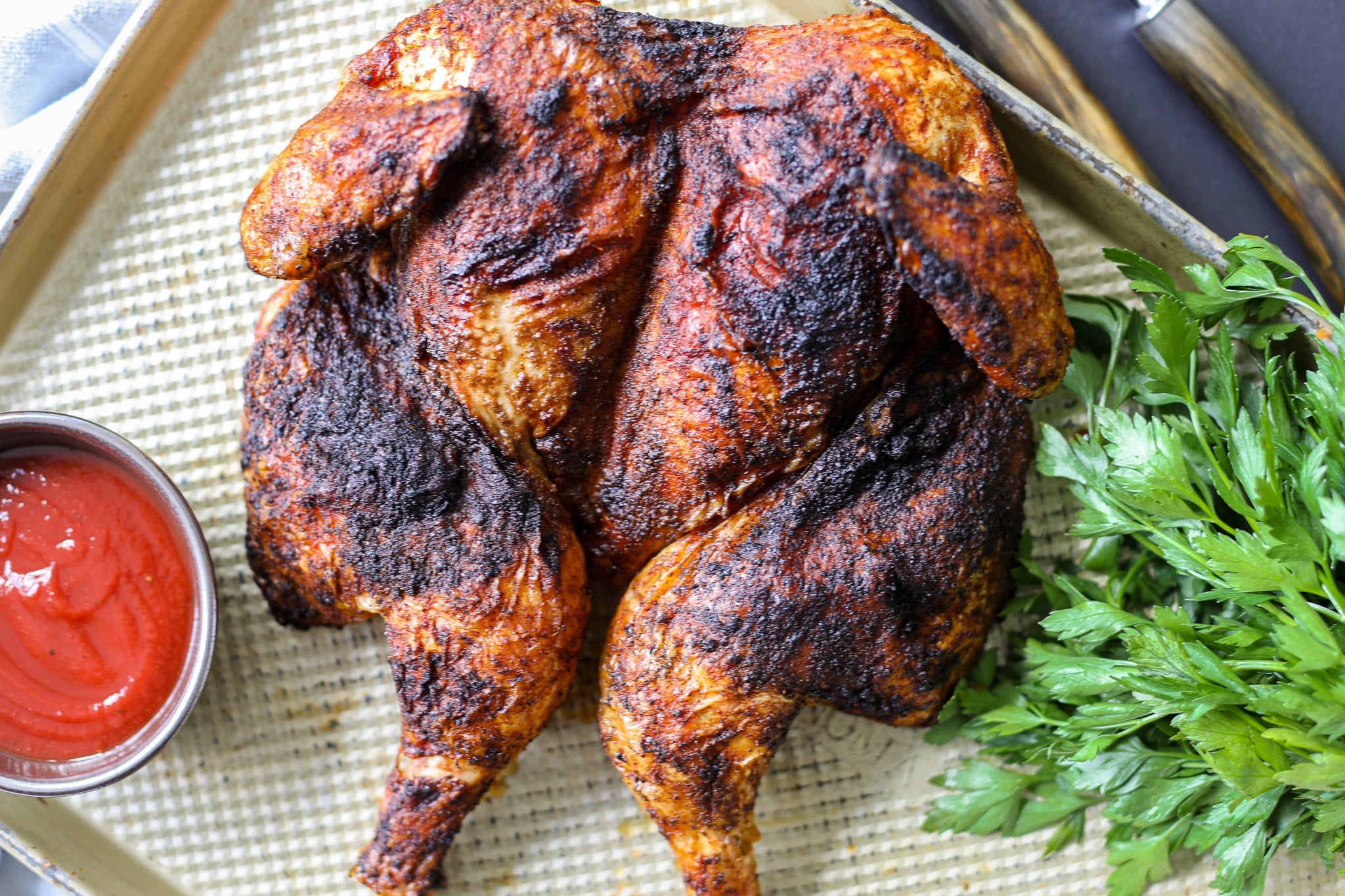
Place the bird on the grate over the drip pan. Keep the lid closed to trap heat. Smoke and hot air circulate around the chicken, cooking it through gently. This method ensures the skin crisps up nicely while the meat stays juicy.
Check the internal temperature with a meat thermometer. The thickest part of the thigh should reach 165°F (74°C). If the skin is browning too fast, tent it loosely with foil. Let the chicken rest for ten minutes before carving to keep the juices inside.
Check doneness with a thermometer
Skip the guesswork. Pressing a steak or poking a chicken breast gives you a false sense of security and often leads to dry, overcooked meat. A digital instant-read thermometer is the only reliable way to know when your food is safe to eat and perfectly cooked.
Insert the probe into the thickest part of the protein, avoiding bone, fat, or gristle. Wait a few seconds until the reading stabilizes. Remember that carryover cooking will raise the internal temperature by 5°F (3°C) after you remove the meat from the grill, so pull it off just before it hits the target.
Follow these target temperatures for safety and quality:
Grilling Checklist for Beginners
Grilling filet mignon, burgers, and whole chicken requires a steady rhythm. Follow this sequence to keep heat consistent and avoid common mistakes like flare-ups or dry meat.
Before You Start Grilling
- Prep the grill: Clean the grates and oil them lightly to prevent sticking.
- Bring meat to room temp: Take steaks and chicken out 30 minutes early. Leave ground beef in the fridge until cooking.
- Season simply: Salt generously right before placing meat on the grill.
Cooking Sequence
- Sear steaks: Place filet mignon over direct heat. Sear 2–3 minutes per side, then move to indirect heat to finish.
- Cook burgers: Grill patties without pressing them. Flip only once when juices rise to the surface.
- Roast chicken: Start whole chicken breast-side down over indirect heat. Flip halfway through to brown the skin evenly.
After the Grill
- Rest the meat: Let steaks and chicken rest for 5–10 minutes. This keeps juices inside.
- Check temperature: Use a thermometer. Steaks should hit 130°F (medium-rare), burgers 160°F, and chicken 165°F.
Clean grates and oil them lightly to prevent sticking. Preheat to medium-high heat for steaks and burgers, or medium for chicken.
Take steaks and chicken out 30 minutes early. Leave ground beef in the fridge until cooking to ensure safety and even cooking.
Sear steaks over direct heat, then move to indirect. Grill burgers once without pressing. Roast chicken breast-side down over indirect heat.
Let steaks and chicken rest for 5–10 minutes. Check temperatures: steaks 130°F, burgers 160°F, chicken 165°F.
No comments yet. Be the first to share your thoughts!