

Why grilling works for filet
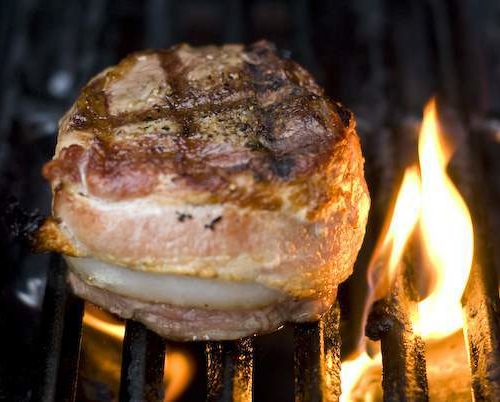
Grilling filet mignon is risky because the meat is so lean, but the smoky crust you get over fire is better than anything from a pan. You just have to watch the clock and the thermometer closely.
Filet mignon, cut from the tenderloin, is prized for its incredibly soft texture and mild flavor. It’s a lean cut, which is part of its appeal, but also where the challenge lies. Lean meats dry out more easily, so proper grilling technique is paramount. The goal isn’t just to cook it, but to retain moisture.
The difference between grilling and searing is important. Grilling uses radiant heat, often over a longer period, while searing is about intense, direct heat for a short time. For filet, we need both. A quick sear to develop that crust, then a move to gentler heat to finish cooking through. A good sear is non-negotiable for this cut, locking in those juices and adding a layer of flavor that makes all the difference.
Pick the right thickness
Not all filets are created equal. You’ll typically find center-cut filets and tail filets. The center-cut is the most tender part of the tenderloin, and usually commands a higher price. It's incredibly consistent in texture, making it a safe bet for beginners. The tail filet, cut from the end of the tenderloin, can be a bit more flavorful, but also slightly tougher.
I’ll be honest, the difference isn’t huge, and a skilled cook can make either cut shine. But if you're new to grilling filet, the center-cut is the way to go. It’s more forgiving. Don’t shy away from the tail if you're feeling adventurous though – just be prepared to potentially trim some silver skin.
Buy steaks at least 1.5 to 2 inches thick. Anything thinner than an inch will turn into gray leather before you get a decent crust. If you have a massive 3-inch cut, you'll need to use the reverse sear method I mention later so the middle actually cooks.
Marbling – those flecks of fat within the muscle – isn’t as prominent in filet mignon as it is in other cuts like ribeye. Don’t stress too much about it. Filet is prized for its leanness. However, if you do find a filet with some marbling, it’s a bonus. It will add a bit more flavor and help with moisture retention.
Brining and seasoning
I usually brine my filets for 45 minutes before they hit the grill. It sounds wrong to soak an expensive steak in water, but it keeps the lean meat from drying out. Just don't go over an hour or the beef gets mushy.
After brining (and patting the filet dry – very important!), it’s time to season. I’m not a fan of overly complex rubs for filet; they can mask the delicate flavor. Salt, freshly ground black pepper, and maybe a touch of garlic powder are often enough. I’ve had great results with just coarse kosher salt and pepper.
The timing of seasoning is key. I prefer to season the filet at least 30 minutes before grilling, or even up to a couple of hours in advance. This allows the salt to penetrate the meat and begin to break down proteins, resulting in a more tender and flavorful steak.
- Basic Brine Recipe:
- 1/4 cup salt
- 1/4 cup sugar
- 4 cups water
Grill Setup: Heat Zones & Fuel
A two-zone grilling setup is essential for filet mignon. This means creating a hot zone for searing and a cooler zone for finishing. On a charcoal grill, pile the coals on one side, leaving the other side empty. On a gas grill, turn one or two burners to high and the others to low or off. This allows you to control the cooking process and prevent burning.
When it comes to fuel, I personally prefer charcoal for grilling filet. It imparts a smoky flavor that elevates the steak. Lump charcoal is my go-to; it burns hotter and cleaner than briquettes. However, gas or pellet grills are perfectly viable options, especially for convenience. Pellet grills offer a good balance of flavor and temperature control.
Don't forget to prepare your grill grate. Clean it thoroughly with a grill brush to remove any debris. Then, oil the grate lightly with a high-smoke-point oil (like canola or grapeseed oil) to prevent the filet from sticking. This is especially important for a lean cut like filet mignon. A clean, oiled grate is your friend.
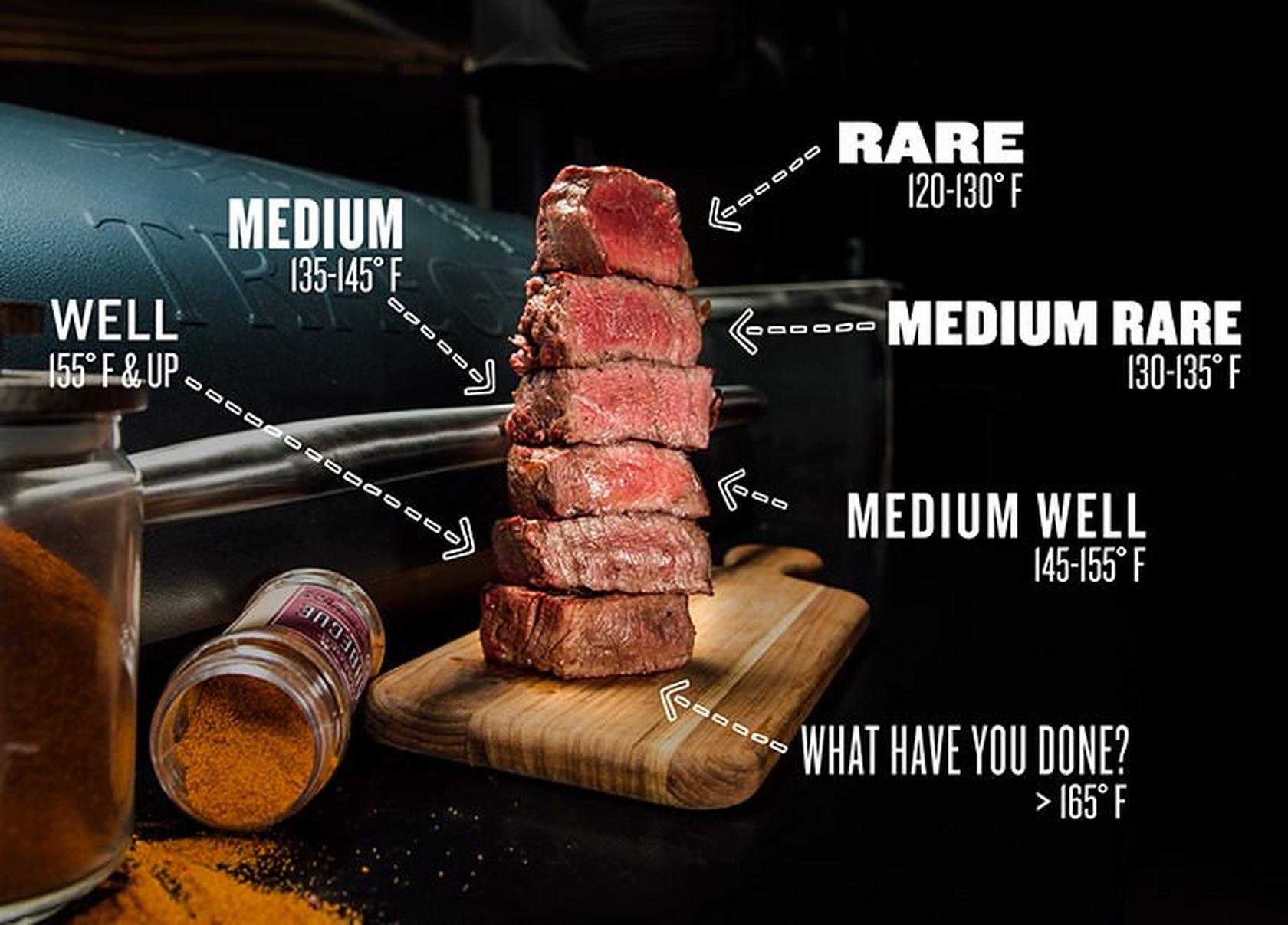
Temperature and timing guide
Buy a meat thermometer. You can't guess the internal temp of a $30 steak by poking it with your finger. These times are just a starting point—pull the meat based on the numbers on the screen, not the timer.
Rare (125-130°F): About 3-4 minutes per side. The center will be cool and red.
Medium-Rare (130-135°F): About 4-5 minutes per side. A warm red center.
Medium (135-145°F): About 5-6 minutes per side. A warm pink center.
Medium-Well (145-155°F): About 6-7 minutes per side. Slightly pink center.
Well-Done (155°F+): I don't recommend it for filet mignon, but if you must, about 7-8 minutes per side. It will be firm and brown throughout. Honestly, you're better off choosing a different cut of beef if you prefer well-done.
Don’t forget about carryover cooking. The filet will continue to cook for a few minutes after you remove it from the grill. Account for this by removing it from the heat when it’s about 5 degrees below your desired temperature. A good instant-read thermometer is your best friend here. I've used a Thermapen for years and it’s consistently accurate.
Filet Mignon Grilling Temperatures & Times (1.5-inch thickness)
| Doneness | Internal Temperature | Estimated Grilling Time (over medium-high heat) | Notes |
|---|---|---|---|
| Rare | 125-130°F | Approximately 3-4 minutes per side | Filet will be very red in the center. Carryover cooking will raise the temperature slightly. Expect a soft, yielding texture. |
| Medium-Rare | 130-140°F | Approximately 4-5 minutes per side | Center will be mostly red. Carryover cooking will continue to cook the steak. This is a popular choice for tenderness and flavor. |
| Medium | 140-150°F | Approximately 5-6 minutes per side | Center will be pink. Carryover cooking will influence final temperature. Texture will be firmer than medium-rare. |
| Medium-Well | 150-160°F | Approximately 6-7 minutes per side | Only a slight hint of pink in the center. Carryover cooking will continue, so remove from grill slightly before desired temperature. |
| Well-Done | 160°F+ | Approximately 7-8 minutes per side | No pink remains. Filet mignon can become dry when cooked to well-done. Monitor closely to avoid overcooking. |
Illustrative comparison based on the article research brief. Verify current pricing, limits, and product details in the official docs before relying on it.
Searing & Finishing: Techniques
There are a couple of different approaches to searing and finishing filet mignon. The direct sear method involves searing the filet over high heat for a short period, then moving it to the cooler side of the grill to finish cooking. The reverse sear method involves cooking the filet over low heat until it's almost to your desired temperature, then searing it over high heat at the end.
I'm a fan of the quick, hot sear followed by finishing over indirect heat. It creates a beautiful crust and allows for more precise temperature control. When searing, aim for a deep brown color – that’s the Maillard reaction at work, creating those complex flavors. Don’t overcrowd the grill; sear one or two filets at a time.
Basting with butter or herbs during the finishing stage can add extra flavor and moisture. I like to baste with melted butter infused with garlic, thyme, and rosemary. Tilt the steak and spoon the butter over it repeatedly. If you accidentally overcook it, a quick sauce can help – a red wine reduction or a pan sauce can add moisture and flavor, but it won’t completely fix a dry steak.
Resting & Serving: The Final Touch
Resting the filet mignon after grilling is just as important as the cooking process itself. It allows the juices to redistribute throughout the meat, resulting in a more tender and flavorful steak. If you cut into it immediately, all those juices will run out, leaving you with a dry, less flavorful steak.
I recommend resting the filet for at least 5-10 minutes, loosely tented with foil. Don’t wrap it tightly, or it will steam and lose its crust. During the resting period, the internal temperature will continue to rise slightly due to carryover cooking.
For serving, classic pairings include mashed potatoes, roasted asparagus, or a simple green salad. A rich sauce, like béarnaise or a red wine reduction, complements the filet’s delicate flavor. Personally, I love serving mine with a side of creamy polenta. Presentation matters too – a sprinkle of fresh herbs and a drizzle of olive oil can elevate the dish.
No comments yet. Be the first to share your thoughts!