

Get grilling right
Before you light the charcoal or fire up the gas, set up your station. A clean grill and the right tools make the difference between a charred mess and a perfect sear. Check your grill grates for rust or leftover debris from last season. Scrape them down with a wire brush, then wipe them with an oiled paper towel. This prevents sticking and gives your filet mignon, burgers, and whole chicken a clean surface to cook on.
Heat management is your next priority. For high-heat searing like filet mignon, you need a hot zone. For slower cooking like whole chicken, you need indirect heat. If you are using charcoal, bank the coals to one side. If you are using gas, turn off the burners under the food. Aim for 450°F to 550°F for steaks and burgers, and 350°F to 400°F for chicken. Use an infrared thermometer to check grate temperature if you don't have a built-in gauge.
Keep your tools within arm's reach. You will need long-handled tongs for turning meat without piercing it, a meat thermometer for safety, and a spray bottle with oil for quick flare-up control. Have a platter and foil ready for resting. Resting allows juices to redistribute, ensuring your meat stays moist. Skipping this step is the most common mistake beginners make, leading to dry, tough results.
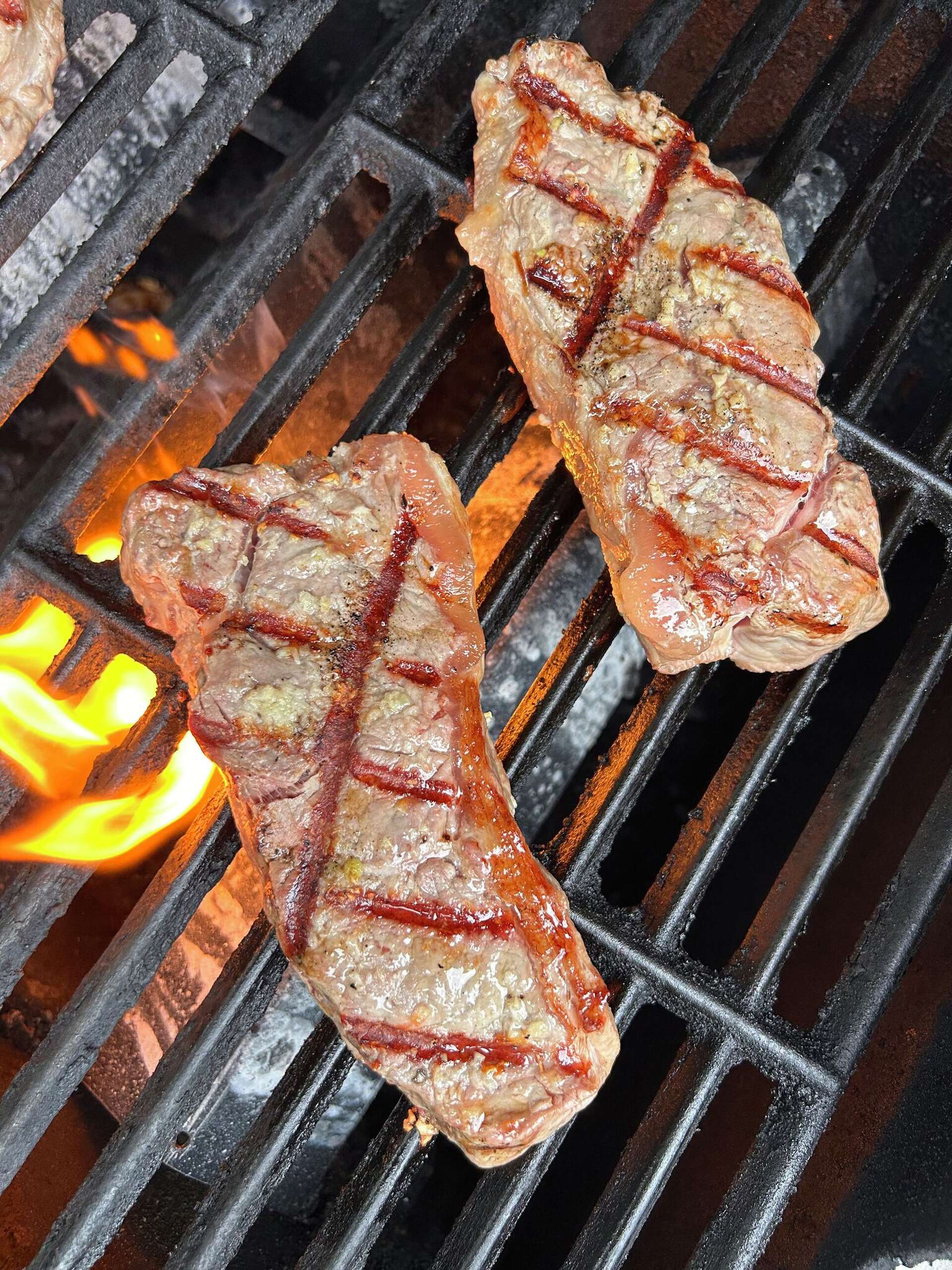
Scrape the grates thoroughly while they are cool. Wipe with an oiled towel to create a non-stick surface before heating.
Create a hot zone for searing and a cooler zone for indirect cooking. This flexibility handles all three proteins effectively.
Heat the grill to 450°F-550°F for steaks and burgers, or 350°F-400°F for whole chicken. Use a thermometer to verify.
Keep tongs, a meat thermometer, oil spray, and a resting platter nearby. You will need them the moment the food is done.
How to Grill Filet Mignon, Burgers, and Whole Chicken
Grilling three distinct proteins in one session requires managing different heat zones and cooking times. The goal is to have everything finish at the same time without overcooking the delicate filet or undercooking the chicken. This guide walks you through the ordered steps to manage a mixed grill, focusing on heat control, timing, and resting.
1. Prepare the Grill for Two-Zone Cooking
Before lighting the burners or lighting the charcoal, set up your grill for two-zone cooking. This creates a hot side for searing and a cooler side for indirect cooking. For gas grills, turn one side to high and leave the other off or on low. For charcoal, pile the coals on one side only.
This setup is essential for whole chicken and thick filets. You will sear the exterior on the hot side to develop color and flavor, then move the protein to the cooler side to finish cooking gently. Without two zones, you risk burning the outside before the inside reaches a safe temperature.
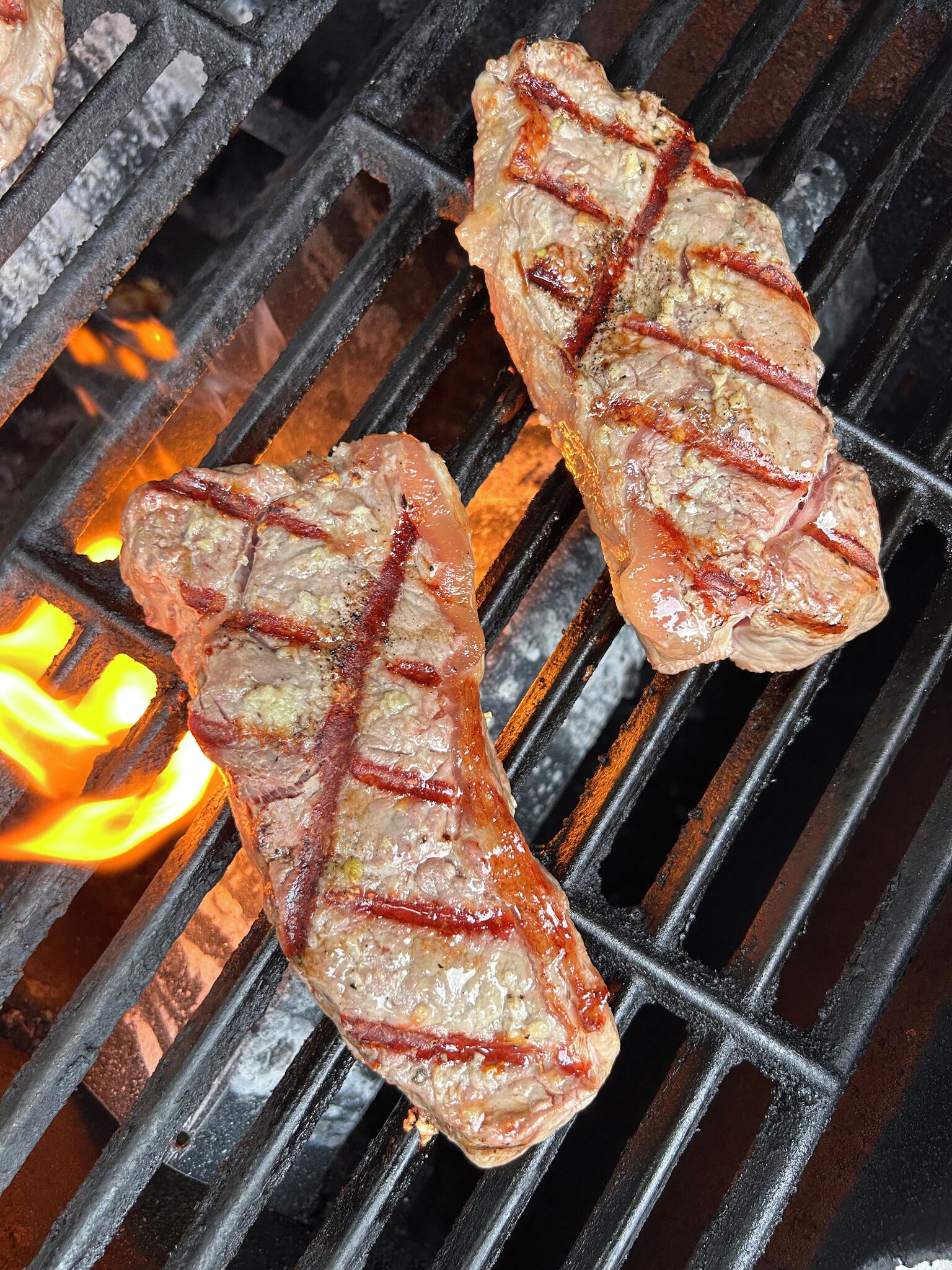
Preheat your grill to high heat for 10-15 minutes. Use a grill brush to scrub the grates clean while they are hot. A clean grate prevents sticking and ensures even heat transfer. Wipe the grates with a paper towel dipped in oil to create a non-stick surface.
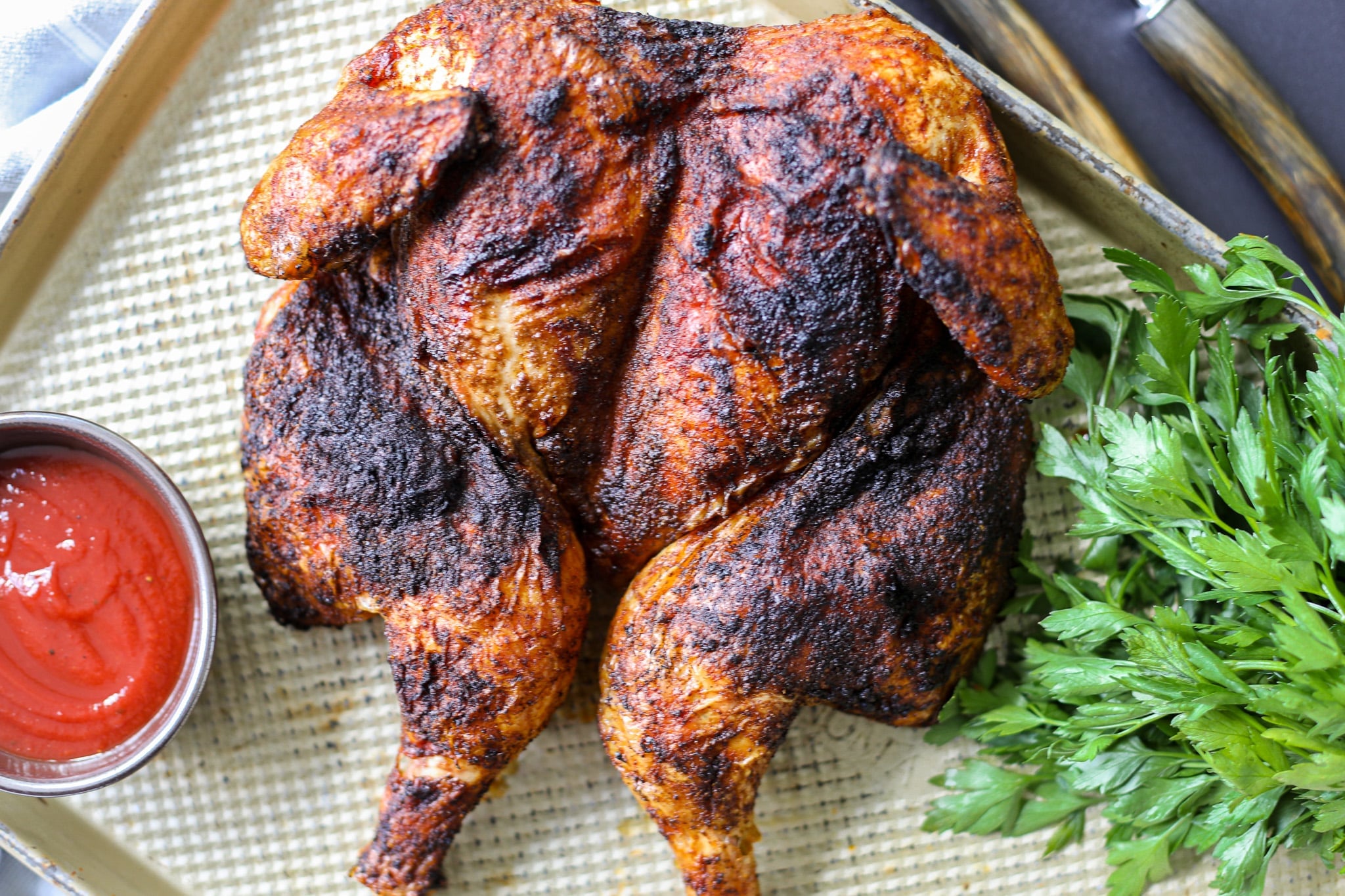
While the grill heats, pat your proteins dry. Moisture is the enemy of a good sear. Season the filet mignon generously with salt and pepper. Season the burgers with salt and pepper just before they hit the grill to avoid drawing out moisture too early. Rub the whole chicken with oil and your preferred spice blend, ensuring it is evenly coated.
Place the filet mignon and the whole chicken on the hot side of the grill. Sear the filets for 2-3 minutes per side to develop a crust. For the chicken, sear the skin side down for 5-7 minutes until golden brown. Do not move the chicken once placed; let the skin crisp up. This step builds the foundational flavor and texture.
Move the seared filets and chicken to the cooler side of the grill. Close the lid. For the filets, this will bring them to your desired internal temperature (130°F for medium-rare). For the whole chicken, continue cooking until the thickest part of the thigh reaches 165°F. This indirect heat cooks the interior without burning the exterior.
While the chicken and filets finish, place the burgers on the hot side. Grill for 3-4 minutes per side for medium doneness. If you prefer well-done, cook longer. Avoid pressing down on the burgers with a spatula; this squeezes out juices and leads to dry patties. Add cheese in the last minute of cooking if desired, covering the grill to melt it quickly.
Remove all proteins from the grill. Transfer the filets and chicken to a cutting board or platter. Let them rest for 5-10 minutes. This allows the juices to redistribute throughout the meat. If you cut into them immediately, the juices will run out, leaving the meat dry. The burgers can be served immediately.
Common Mistakes to Avoid
Moving food too often is a common error. Resist the urge to flip burgers or chicken constantly. Let the sear develop. Another mistake is ignoring the internal temperature. Visual cues can be misleading, especially with whole chicken. Use a reliable meat thermometer to ensure safety and accuracy. Finally, do not skip the resting phase. It is the final step that determines the quality of the bite.
Proof Checks
- Filet Mignon: Internal temperature should be 130-135°F for medium-rare. The crust should be brown and crisp.
- Whole Chicken: Thigh temperature must reach 165°F. The juices should run clear, not pink.
- Burgers: Internal temperature should be 160°F for ground beef. The center should be juicy, not gray or dry.
Fix common mistakes
Even experienced grillers ruin filet mignon, burgers, and whole chicken by ignoring basic heat management. These errors turn tender cuts into dry, chewy, or unevenly cooked meals. You can avoid them by paying attention to four specific traps.
1. Overcrowding the Grates
Placing too much food on the grill drops the temperature instantly. The heat source cannot recover fast enough to maintain a sear. Instead of browning, the meat steams in its own juices. This results in a grey, soft exterior rather than a crisp, flavorful crust.
2. Skipping the Resting Period
Cutting into a steak or burger immediately after grilling releases all the internal juices onto the plate. The meat stays on the plate; the flavor goes with it. Letting filet mignon and burgers rest for five minutes allows the muscle fibers to relax and reabsorb the moisture. The result is a juicier bite.
3. Ignoring Internal Temperature
Relying solely on cooking time or visual color is unreliable. Thickness varies, and grill zones differ. Use an instant-read thermometer to check the center. For filet mignon, aim for 130°F for medium-rare. For burgers, 160°F ensures safety. For whole chicken, 165°F at the thickest part of the thigh is mandatory.
4. Flipping Too Often
Many cooks believe flipping once is the only way to sear. In reality, flipping every minute creates a more even cook and reduces the chance of burning. Constant movement keeps the surface temperature stable. This method works well for both thin burgers and thicker steak cuts.
Grilling: what to check next
Before you light the grill, clear up the common hurdles that lead to dry chicken, burnt burgers, or tough steaks. These answers address the practical objections that usually stop people from firing up the grill.
No comments yet. Be the first to share your thoughts!