

Preheat and prepare your grill
Proper heat management and grate cleaning are the foundation of a good sear. Skipping these steps leads to sticking, uneven cooking, and ruined meat. Before you light the burners or open the vents, follow this sequence to ensure your grill is ready for steaks, burgers, and chicken.
1. Clean the grates while hot
If you cooked on the grill previously, let it cool slightly but keep it warm. Use a sturdy grill brush to scrub the grates vigorously. This removes charred debris that causes sticking and off-flavors. For cast iron grates, a little oil applied after cleaning helps maintain the seasoning.
2. Apply a thin layer of oil
Once the grates are clean, fold a paper towel into a small pad. Dip it in vegetable or canola oil, then use tongs to rub it evenly across the surface. This creates a non-stick barrier. Do not over-oil; a thin sheen is enough. Too much oil can cause flare-ups, especially when cooking fatty burgers or chicken skin.
3. Preheat to the right temperature
Close the lid and turn the grill on. For high-heat searing (steaks, burgers), aim for 450–500°F (230–260°C). For chicken or thicker cuts, 400°F (200°C) is often sufficient. Preheating takes 10–15 minutes. A hot grill sears the surface quickly, locking in juices and preventing the meat from sticking to the metal.

Use a wire brush to scrub away old food particles while the grates are still warm from the previous use. This prevents stuck-on debris from burning during your next cook.
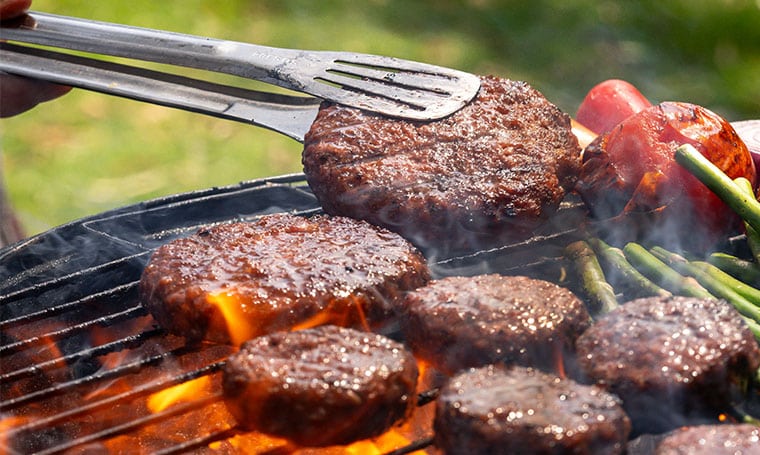
Dip a folded paper towel in oil and use tongs to wipe a thin layer across the grates. This creates a non-stick surface for the meat.
Turn on the burners or open the vents and close the lid. Wait 10–15 minutes until the grill reaches the target temperature. A hot surface is essential for a proper sear.
Getting these basics right ensures your steaks get a crust, your burgers don’t fall apart, and your chicken releases easily from the grate. Take the time to prep the grill, and the rest of the cook will be smoother.
Grill filet mignon to medium-rare
Filet mignon is the most tender cut of beef, but its lean composition demands careful handling to avoid drying out. The goal is a deep, mahogany crust that contrasts with a warm, pink center. This section walks you through grilling filet mignon to medium-rare with precision.
Prepare and Season
Take the steaks out of the refrigerator 30 to 45 minutes before cooking. This allows the meat to reach room temperature, ensuring it cooks evenly from edge to center. Pat the surface completely dry with paper towels; moisture is the enemy of a good sear. Season generously with coarse kosher salt and freshly cracked black pepper just before it hits the grill.
Sear Over High Heat
Preheat your grill to high heat, aiming for temperatures around 450°F to 500°F. Clean the grates thoroughly and oil them lightly to prevent sticking. Place the steaks directly over the flames. Sear for 2 to 3 minutes without moving them to develop a rich, caramelized crust. Flip and sear the other side for another 2 to 3 minutes. If the steaks have a fat cap, hold them vertically with tongs to render the edge fat for a few seconds.
Check Internal Temperature
Filet mignon cooks quickly, so monitor the internal temperature closely. For medium-rare, aim for an internal temperature of 130°F to 135°F. Use an instant-read thermometer inserted into the thickest part of the steak. Remove the steaks from the grill when they are 5°F below your target temperature, as residual heat will continue to cook them slightly while they rest.
Rest Before Serving
Transfer the steaks to a warm plate or cutting board and tent them loosely with foil. Let them rest for 5 to 10 minutes. This resting period allows the juices to redistribute throughout the meat. If you cut into the steak immediately, the juices will spill out, leaving the meat dry. Slice against the grain and serve immediately.
Grill juicy burgers without drying out
The biggest mistake people make with burgers is treating them like steaks. Pressing down on the patty with a spatula squeezes out the flavorful juices, leaving you with a dry, dense disc. Instead, let the heat do the work. Place the patties on the grill and resist the urge to touch them for the first few minutes. This allows a proper crust to form, locking in moisture and creating that desirable char.
Fat content is your best friend here. Aim for an 80/20 blend of beef to fat; this ratio ensures the burgers stay tender and juicy even over high heat. Leaner blends will dry out quickly. If you are making thicker patties, press a small indent into the center of each one with your thumb before grilling. This prevents the burger from puffing up into a ball as it cooks, ensuring an even thickness and consistent doneness.
Cooking time depends on thickness and desired doneness, but general guidelines suggest about 4-5 minutes per side for medium-rare to medium. Use a meat thermometer for accuracy: 135°F for medium-rare and 145°F for medium. Remember that altitude, wind, and ambient temperature can affect cooking times, so always rely on internal temperature rather than the clock alone. Once off the grill, let the burgers rest for a minute or two to allow the juices to redistribute before serving.
Grill chicken legs until crispy
Chicken legs are the most forgiving cut on the grill, but they require patience. The skin needs time to render its fat and crisp up, while the dark meat near the bone must reach a safe internal temperature without drying out. Trying to force high heat from the start will char the skin before the center is cooked. Instead, use indirect heat to cook them through gently, then finish with a brief sear for that final crunch.
Build a two-zone fire
Start by arranging your charcoal or gas burners to create two distinct zones. If you are using charcoal, pile the lit coals on one side of the grill, leaving the other side empty. For gas grills, turn on only the burners on one side. This setup allows you to move the chicken away from the direct flame once it is seared, preventing flare-ups and burning while the meat finishes cooking. This method is the standard for grilling tougher cuts like legs and thighs, as noted in professional grilling guides from Weber and Omaha Steaks.
Sear the skin first
Pat the chicken legs completely dry with paper towels. Moisture is the enemy of crisp skin. Season them generously with salt, pepper, and your preferred rub. Place the legs skin-side down directly over the hot zone. Close the lid and let them sear for about 3-4 minutes. You want a deep golden-brown crust. Do not move them around; let the skin release naturally from the grates. If it sticks, it isn’t ready to flip yet.
Cook with indirect heat
Once the skin is nicely browned, move the legs to the cooler side of the grill, skin-side up. Close the lid. This indirect heat will slowly cook the meat through. Cook for 25-35 minutes, depending on the size of the legs. The goal is to reach an internal temperature of 165°F (74°C) at the thickest part of the thigh, avoiding the bone. The skin will continue to crisp as the fat renders out during this phase.
Optional final crisp
If the skin isn’t as crispy as you’d like after the indirect phase, move the legs back over the direct heat for just 1-2 minutes. Watch them closely to prevent burning. Remove them from the grill and let them rest for 5 minutes before serving. This allows the juices to redistribute, ensuring tender meat and skin that shatters when you bite into it.
Rest the meat before serving
Skipping the rest is the most common mistake home cooks make with grilling. When meat comes off the heat, the muscle fibers are tight and the juices are concentrated in the center. If you cut into it immediately, those juices spill out onto the cutting board, leaving the meat dry and flavorless.
Think of resting like a sponge soaking up water. As the meat sits, the internal temperature stabilizes and the fibers relax. This allows the juices to redistribute evenly throughout the steak, burger, or chicken piece. The result is a uniform, juicy bite from edge to edge.
Let steaks and burgers rest for at least 5 to 10 minutes. Chicken, especially larger cuts like breasts or whole birds, benefits from a slightly longer rest of 10 to 15 minutes. Cover the meat loosely with foil to keep it warm without trapping steam, which can make the crust soggy.
Grilling guide checklist
Use this quick reference to keep your steak, burgers, and chicken on track. Print it or save it on your phone so you can glance at temperatures and times without losing focus on the grill.
-
Preheat the grill to high heat for at least 10–15 minutes.
-
Pat proteins dry with paper towels for better searing.
-
Oil the grates lightly to prevent sticking.
-
Season generously with salt and pepper just before cooking.
-
Use a meat thermometer to check internal temperatures.
-
Let steaks and chicken rest for 5 minutes before slicing.
-
Clean the grates while the grill is still warm.
Common grilling: what to check next
Even experienced grillers hit snags. Here are quick answers to the most frequent issues when cooking steaks, burgers, and chicken on the grill.
No comments yet. Be the first to share your thoughts!