

The 2026 Memorial Day burger
Memorial Day 2026 is going to be a heavy weekend for grills. While I see more people asking for local beef or plant-based patties, most of us are still looking for a standard, greasy, well-made burger. It doesn't need to be complicated, but it does need to be right.
I want to get past the dry, bland pucks that usually come off a backyard grill. Getting a burger right is mostly about how you handle the meat before it even touches the grate. If you get the fat ratio and the seasoning timing down, the rest is easy.
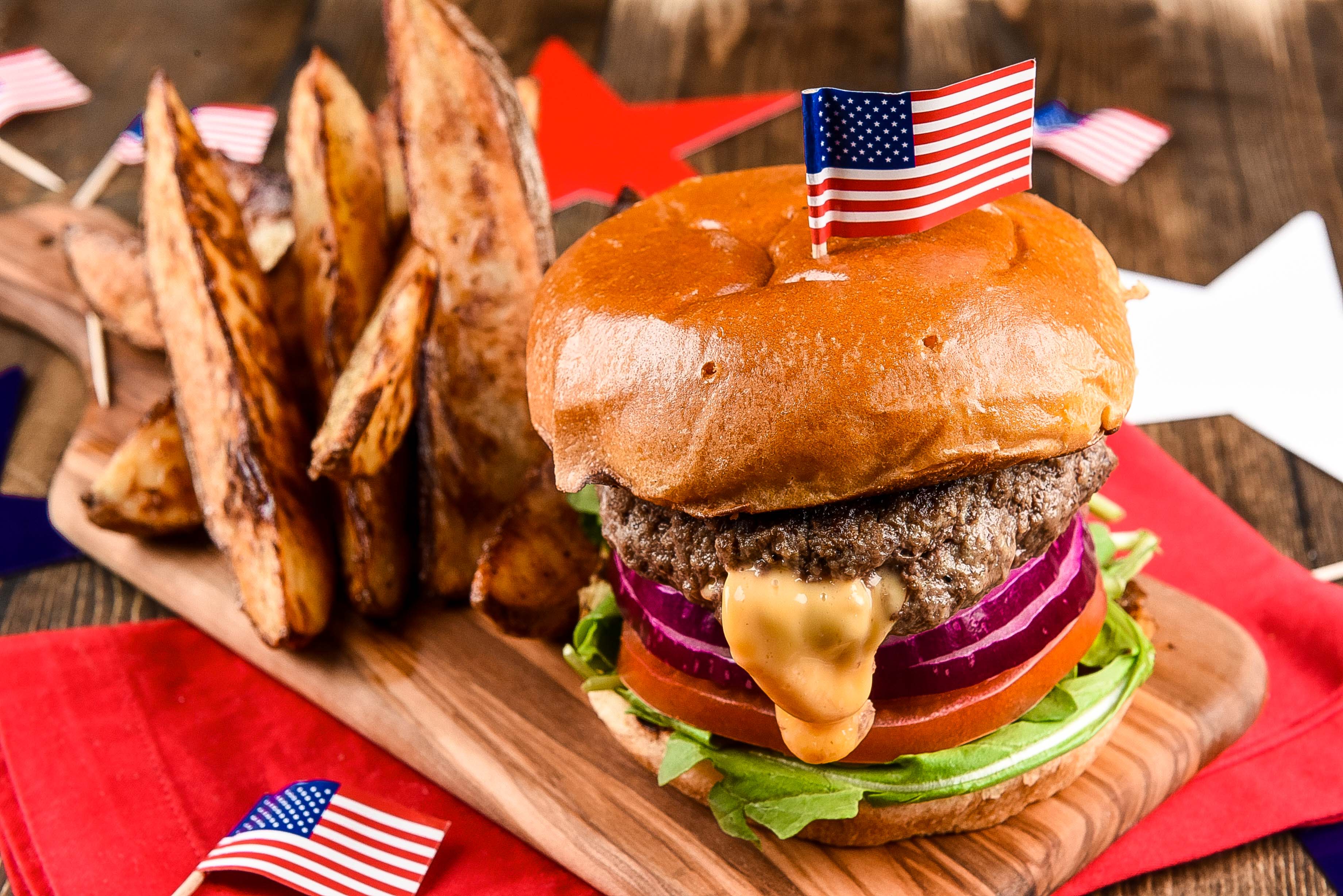
Fat ratios and meat cuts
The meat is everything. Chuck is the standard because it has the right fat content. Sirloin is too lean on its own and makes for a dry meal, but brisket adds a heavy, beefy hit if you mix it in. You need that fat; without it, you're just eating a leather disc.
I generally recommend an 80/20 blend (80% lean meat, 20% fat). This provides enough fat for flavor and moisture without being overly greasy. An 85/15 blend is a good option if you prefer a slightly leaner burger. Experimenting with ratios is key – don’t be afraid to try 75/25 for a truly decadent experience. Pre-made blends are convenient, but grinding your own allows for complete control over the cut and fat content.
Grass-fed beef typically has a more intense, slightly gamey flavor compared to grain-fed. It’s also generally leaner, so you might want to consider adding a bit of extra fat to the blend. The price difference can be significant; grass-fed beef is often considerably more expensive. It really comes down to personal preference and budget. I find grass-fed beef offers a unique flavor, but grain-fed is perfectly acceptable for a classic burger.
Here’s a quick breakdown of common blends:
- 80/20 chuck is the standard for a reason.
- 85/15 (Chuck/Sirloin): Leaner, but still flavorful.
- 75/25 chuck and brisket mixes are better if you want something richer.
- Grass-fed (80/20 or 85/15): Intense flavor, often leaner.
Beef Cut Comparison for Optimal Burger Flavor
| Flavor Intensity | Fat Content | Tenderness | Cost | Best For |
|---|---|---|---|---|
| Bold | High | Moderate | Moderate | Classic, Juicy Burgers - provides rich flavor and moisture. |
| Moderate | Moderate | Tender | Higher | Leaner Burgers - good for those wanting less fat, but benefits from added moisture. |
| Very Bold | Very High | Tougher | Moderate | Flavorful, Rustic Burgers - excellent beefy taste, best when mixed with other cuts. |
| Bold | High | Moderate | Higher | Rich, Savory Burgers - delivers a robust flavor profile, can be quite tender when ground correctly. |
Qualitative comparison based on the article research brief. Confirm current product details in the official docs before making implementation choices.
Seasoning beyond salt
While salt and pepper are essential, they’re just the starting point. Kosher salt is my go-to; its larger crystals distribute more evenly. Sea salt offers a slightly different mineral profile. Don’t skimp on the salt – it’s crucial for bringing out the flavor of the beef. I recommend seasoning generously, but taste a small amount of the raw mixture to adjust.
Spice rubs can take your burgers to the next level. Garlic powder, onion powder, paprika (smoked paprika is amazing), and cayenne pepper are all excellent choices. Consider adding a touch of brown sugar for sweetness and caramelization. Umami-rich additions like Worcestershire sauce or soy sauce deepen the flavor. A little goes a long way with these.
The timing of seasoning matters. I prefer to season the meat at least 30 minutes before forming the patties, allowing the salt to penetrate and tenderize the beef. Dry brining – seasoning the meat overnight – can yield even more flavorful results. This isn't a hard rule, but I've found it consistently improves the texture and taste.
Keep a light touch
Don't overwork the beef. If you mash it together like you're kneading bread, you'll end up with a tough, rubbery burger. I keep my hands cold and just barely press the meat into a shape. It should stay loose.
Patty thickness should be around ¾ to 1 inch. Diameter depends on your bun size, but generally 4-5 inches is a good starting point. Gently shape the patties, avoiding a tight, compact form. A looser patty will be more tender and juicy. Don't pack it down!
The "dimple’ technique – creating a shallow indentation in the center of the patty – helps prevent the burger from bulging during grilling. This ensures even cooking and a more uniform shape. It’s a simple trick, but it makes a noticeable difference. Remember: a loose patty is a juicy patty. Don"t fight it.
- Step 1: Gently combine seasoned meat.
- Step 2: Form loose patties (¾ - 1 inch thick).
- Step 3: Create a dimple in the center.
- Step 4: Avoid overworking the meat.
Managing the heat
Direct heat is ideal for searing the outside of the burger, creating a flavorful crust. Indirect heat is better for cooking the burger through without burning the outside. A combination of both is often the best approach. I like to start with a hot sear over direct heat, then move the burgers to a cooler zone to finish cooking.
Medium-high heat (around 375-450°F) is generally best for grilling burgers. Too low, and you’ll end up with a gray, steamed burger. Too high, and you’ll burn the outside before the inside is cooked. Managing flare-ups is crucial; move the burgers to a cooler part of the grill if they start to flame up. Keep a spray bottle of water handy (but use it sparingly!).
The grilling process varies depending on the grill type. Gas grills offer precise temperature control. Charcoal grills provide a smoky flavor, but require more attention. Pellet grills combine the convenience of gas with the flavor of wood. Regardless of the grill, using a meat thermometer is essential for ensuring the burgers are cooked to your desired doneness.
I've found that a two-zone fire on a charcoal grill is ideal – a hot zone for searing and a cooler zone for finishing. With a gas grill, simply adjust the burners to create different heat levels.
Internal temperatures
Using a meat thermometer is the only way to accurately determine the doneness of your burgers. Relying on visual cues can be misleading. The USDA recommends cooking ground beef to an internal temperature of 160°F (71°C) to kill harmful bacteria (referencing usda.gov). However, personal preference plays a role.
Here’s a guide to internal temperatures for different levels of doneness:
- Rare: 125-130°F (52-54°C)
- Medium-Rare: 130-140°F (54-60°C)
- Medium: 140-150°F (60-66°C)
- Medium-Well: 150-160°F (66-71°C)
- Well-Done: 160°F+ (71°C+)
Burger Doneness & Internal Temperatures
| Doneness | Internal Temperature | Characteristics | Safety Note |
|---|---|---|---|
| Rare | 125°F | Red center, very juicy. | Ground beef should always be cooked to a safe internal temperature. |
| Medium-Rare | 130-135°F | Warm red center, juicy. | Ground beef should always be cooked to a safe internal temperature. |
| Medium | 135-145°F | Pink center, moderately juicy. | Ground beef should always be cooked to a safe internal temperature. |
| Medium-Well | 145-155°F | Slightly pink center, firmer texture. | Ground beef should always be cooked to a safe internal temperature. |
| Well-Done | 155°F+ | No pink, firm texture. | Ground beef should always be cooked to a safe internal temperature. |
| USDA Recommended | 160°F | Ground beef is safe to eat at this temperature. | The USDA recommends cooking ground beef to an internal temperature of 160°F to kill harmful bacteria. |
Illustrative comparison based on the article research brief. Verify current pricing, limits, and product details in the official docs before relying on it.
Toppings & Buns: The Finishing Touches
The bun is just as important as the burger itself. Brioche buns are rich and buttery, potato buns are soft and slightly sweet, and sesame seed buns are a classic choice. Toasting the buns adds texture and prevents them from getting soggy. A light brush of butter or mayonnaise before toasting enhances the flavor.
Classic toppings include lettuce, tomato, onion, and pickles. But don’t be afraid to get creative! Bacon jam, caramelized onions, avocado, and fried egg are all fantastic additions. Consider the sauce – ketchup, mustard, mayonnaise, or a special sauce can tie everything together. I'm a big fan of a smoky chipotle mayo.
For a party, setting up a burger bar is a great way to let your guests customize their own creations. Offer a variety of buns, toppings, and sauces, and let everyone build their perfect burger. It’s a fun and interactive way to enjoy a Memorial Day cookout.
No comments yet. Be the first to share your thoughts!