

Mahi Mahi: A Griller's Delight
Mahi mahi is quickly becoming a favorite for grillers, and for good reason. This fish, also known as dorado or dolphinfish, boasts a mild, slightly sweet flavor that takes beautifully to a variety of seasonings. When grilled correctly, it delivers a wonderfully flaky texture that’s incredibly satisfying. It's a welcome change from the usual salmon or tuna options, and provides a lighter, brighter taste for warm weather meals.
Its popularity is understandable – it cooks quickly and consistently, making it ideal for weeknight dinners or weekend barbecues. Beyond its taste and convenience, there’s a growing awareness of sustainable seafood choices. According to NOAA Fisheries, mahi mahi is generally a good choice, though it's always wise to check regional stock assessments to ensure responsible sourcing. We’re aiming for perfection here, and that starts with understanding what makes this fish special.
This guide will walk you through everything you need to know to grill mahi mahi like a pro. We’ll cover choosing the right fish, creating flavorful marinades, mastering grilling techniques, and ensuring that every bite is perfectly flaky and delicious. Forget dry, rubbery fish – we’re after a truly exceptional grilling experience.
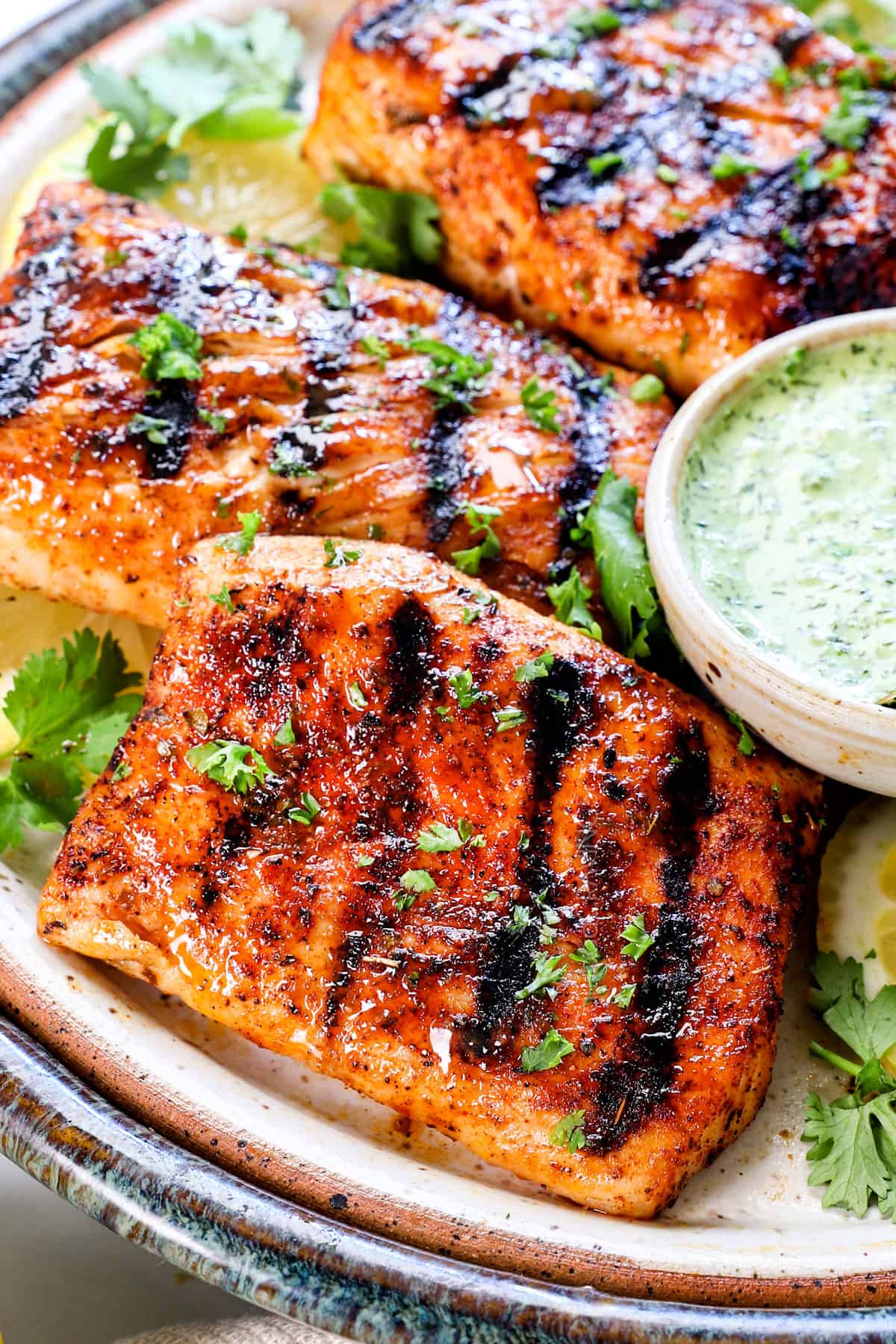
Choosing the Right Mahi
Selecting the best mahi mahi starts with knowing what to look for. If you're buying fresh, the flesh should be firm to the touch and have a translucent, pinkish hue. Avoid fish that appears dull, brownish, or has a strong, fishy odor – that’s a sign it’s past its prime. A slight ocean smell is normal, but anything beyond that is a red flag.
Frozen mahi mahi is an excellent alternative, especially if fresh isn’t readily available. It's often flash-frozen at sea, preserving its quality. Look for fillets that are solidly frozen, without any signs of freezer burn (white, icy patches). Thawing frozen mahi mahi properly is critical; the best method is to place it in the refrigerator overnight. Avoid thawing at room temperature, as this can promote bacterial growth.
You’ll typically find mahi mahi sold as fillets or steaks. Fillets are thinner and cook more quickly, making them ideal for direct grilling. Steaks are thicker and benefit from a bit more time, potentially using an indirect heat method. For grilling, I generally prefer fillets – they’re more versatile and less prone to drying out, but a good steak can be fantastic if you're paying attention.
Marinades & Rubs: Flavor Boosters
Mahi mahi’s mild flavor makes it an ideal canvas for marinades and rubs. Marinades not only add flavor but also help tenderize the fish, although it doesn't need much tenderizing. The key is to avoid over-marinating, as the acidity can start to break down the delicate flesh. Generally, 30 minutes to an hour is sufficient. A simple rub can be just as effective, especially if you prefer a more straightforward flavor profile.
Here are a few marinade options to get you started: a Citrus-Herb marinade (olive oil, lemon juice, garlic, parsley, thyme), a Spicy Jerk marinade (allspice, scotch bonnet peppers, ginger, soy sauce, lime juice), and a Tropical marinade (pineapple juice, coconut milk, lime juice, ginger). For a dry rub, try a blend of smoked paprika, garlic powder, onion powder, and a pinch of cayenne pepper.
Personally, I’m a big fan of a mango-habanero marinade. It provides a wonderful balance of sweetness, heat, and tropical flavor. I combine pureed mango, minced habanero pepper (use cautiously!), lime juice, a touch of honey, and a splash of olive oil. It’s fantastic. But sometimes, all mahi mahi really needs is a good sprinkle of sea salt and freshly cracked black pepper. Don't underestimate the power of simplicity.
- Citrus-Herb: Olive oil, lemon juice, garlic, parsley, thyme
- Spicy Jerk: Allspice, scotch bonnet peppers, ginger, soy sauce, lime juice
- Tropical: Pineapple juice, coconut milk, lime juice, ginger
- Mango-Habanero: Pureed mango, minced habanero, lime juice, honey, olive oil
Mahi Mahi Marinade Checklist
- Citrus Juices - Lime, lemon, or orange juice adds brightness and helps tenderize the fish. Avoid prolonged marinating with high-acid juices as it can 'cook' the fish.
- Fresh Herbs - Parsley, cilantro, thyme, or dill complement mahi mahi’s delicate flavor. Use roughly 2 tablespoons chopped per fillet.
- Spices - Paprika (smoked or sweet), garlic powder, onion powder, and a pinch of cayenne pepper add depth.
- Oil - Olive oil or avocado oil helps carry flavors and prevents sticking to the grill. Approximately 2-3 tablespoons per marinade.
- Acid (Vinegar/Wine) - White wine vinegar, rice vinegar, or even a splash of dry white wine can enhance the marinade. Use sparingly – 1-2 tablespoons.
- Garlic - Minced or pressed garlic provides a savory base. 2-3 cloves is a good starting point.
- Soy Sauce/Amino Acids - A small amount (1-2 teaspoons) adds umami and saltiness. Consider low-sodium options.
Grilling Methods: Direct vs. Indirect
There are two main approaches to grilling mahi mahi: direct and indirect heat. Direct heat involves placing the fish directly over the flames or heat source, resulting in quick cooking and nice grill marks. This is best suited for thinner fillets (under ¾ inch thick) that cook rapidly. Indirect heat involves positioning the fish away from the direct heat source, allowing it to cook more gently and evenly.
For thicker fillets or steaks, indirect heat is often preferable. It prevents the outside from burning before the inside is cooked through. You can create an indirect heat zone by leaving one burner off or using a two-zone fire setup. Regardless of which method you choose, proper grill grate preparation is essential. Thoroughly clean the grates and lightly oil them to prevent sticking.
I'm leaning towards recommending direct heat for fillets less than ½ inch thick, and switching to indirect heat for anything thicker. It really comes down to monitoring the fish carefully and adjusting the heat as needed. A good rule of thumb is if it's starting to char too quickly, move it to a cooler part of the grill.
Temperature & Timing: The Flaky Sweet Spot
The key to perfectly grilled mahi mahi is hitting the right internal temperature. The USDA recommends an internal temperature of 145°F (63°C). However, I find that pulling it off the grill at around 140°F allows for carryover cooking, resulting in a slightly more moist and tender fillet. Using a reliable instant-read thermometer is the best way to ensure accuracy.
Checking for doneness isn’t just about temperature; the flake test is crucial. Gently insert a fork into the thickest part of the fillet and twist. If the fish flakes easily along the muscle fibers, it’s done. If it resists, it needs a bit more time. Avoid overcooking, as mahi mahi can dry out quickly. Grilling times will vary depending on fillet thickness and grill temperature, but as a general guide:
A ½-inch fillet grilled over medium-high heat (375-450°F) will take approximately 3-5 minutes per side. A ¾-inch fillet will take 5-7 minutes per side. A 1-inch steak might require 6-8 minutes per side, potentially using indirect heat for the latter half of the cooking time. Common problems include fish sticking to the grill – ensure the grates are well-oiled and hot before adding the fish – and drying out, which can be prevented by not overcooking.
- ½-inch fillet: 3-5 minutes per side (medium-high heat)
- ¾-inch fillet: 5-7 minutes per side (medium-high heat)
- 1-inch steak: 6-8 minutes per side (medium-high heat, potentially indirect)
Grilling Accessories: Tools for Success
While you can absolutely grill mahi mahi with just a basic set of tools, a few accessories can make the process easier and more enjoyable. A fish spatula is a must-have for gently flipping delicate fillets. Its thin, flexible blade slides easily under the fish without causing it to break apart. A grill basket is another useful tool, especially for smaller or thinner fillets.
Cedar planks add a wonderful smoky flavor to fish. Soak the plank in water for at least 30 minutes before grilling, then place the mahi mahi directly on top. Grill with the lid closed to trap the smoke. A good thermometer, as we've discussed, is invaluable for ensuring the fish is cooked to perfection.
From Grill Matey, our grilling gloves provide excellent heat protection, and our aprons will keep your clothes clean. We also offer specialized fish baskets designed to prevent sticking and ensure even cooking. These aren't strictly necessary, but they can elevate your grilling game.
Serving Suggestions & Sides
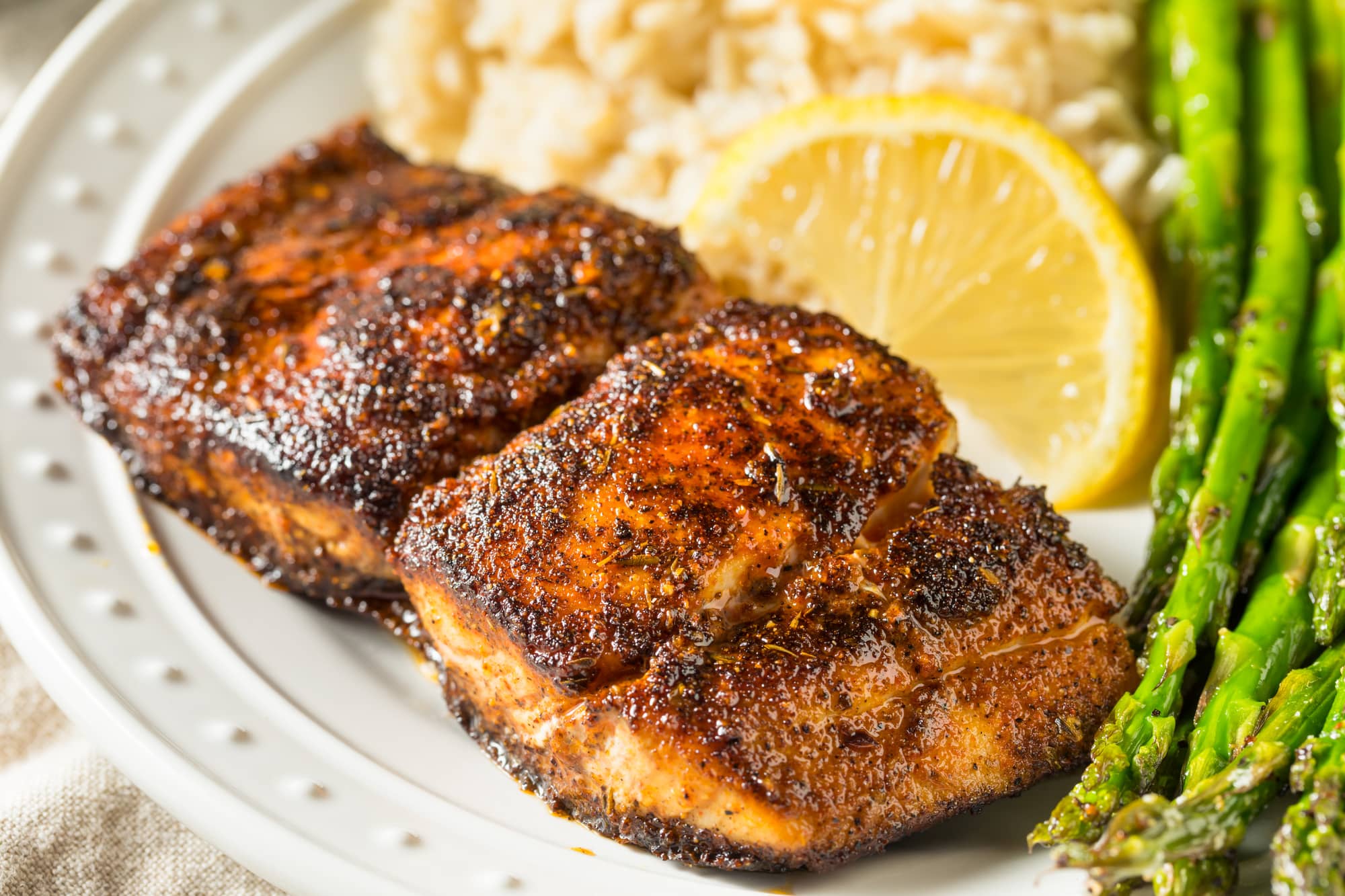
Mahi mahi pairs beautifully with a variety of side dishes. Grilled vegetables, such as asparagus, bell peppers, or zucchini, are always a good choice. Rice, quinoa, or couscous provide a hearty base. A fresh salad with a light vinaigrette adds a refreshing contrast. For a tropical twist, consider a mango salsa or a pineapple-cucumber salad.
Sauces that complement mahi mahi include mango salsa, chimichurri, a simple lemon-butter sauce, or a spicy aioli. A squeeze of fresh lime juice is also a classic finishing touch. To make a quick mango salsa, dice mango, red onion, jalapeño, and cilantro, then toss with lime juice.
Here's a super simple side dish: Grilled Pineapple Wedges. Brush pineapple wedges with a little brown sugar and cinnamon, then grill for 2-3 minutes per side until lightly caramelized. They’re a perfect sweet and smoky accompaniment to the flaky mahi mahi.
Common Mistakes & How to Avoid Them
One of the most frequent mistakes when grilling mahi mahi is overcooking it. This results in dry, tough fish. The solution is simple: use a thermometer and don't be afraid to pull it off the grill a bit early – remember carryover cooking. Another common issue is the fish sticking to the grill. Ensuring the grates are clean, well-oiled, and hot before adding the fish is crucial.
Fish falling apart is also a problem, often caused by trying to flip it too soon or using a flimsy spatula. Wait until the fish releases easily from the grill before attempting to flip it, and use a sturdy fish spatula. Finally, neglecting to properly thaw frozen fish can lead to uneven cooking and a mushy texture. Always thaw frozen mahi mahi in the refrigerator overnight.
I’ve seen so many people ruin a perfectly good fillet by overcooking it. It’s a shame. Paying attention to these details will make all the difference between a mediocre grilling experience and a truly memorable one.
No comments yet. Be the first to share your thoughts!