

Beyond the Burger: Plant-Based Grilling Today
Plant-based grilling has exploded in recent years, moving well beyond the initial hype surrounding the Impossible Burger. It's no longer a niche market catering to strict vegans; it's a growing segment embraced by flexitarians, health-conscious consumers, and anyone curious about reducing their meat intake. What started with a focus on replicating the burger experience has quickly expanded to include a surprising variety of alternatives.
Today, you can find plant-based sausages, steaks, chicken, and even seafood vying for space on your grill. The quality has improved dramatically too. Early iterations often lacked flavor or had unpleasant textures, but companies are now using advanced techniques to create products that closely mimic their animal-based counterparts. This isn’t just about imitation, though; many brands are also focusing on creating unique and delicious flavors that stand on their own.
Consumer interest is a major driver of this growth. A desire for more sustainable food options, coupled with increasing awareness of the health and environmental impacts of meat production, are pushing demand. People are actively seeking alternatives, and grillmasters are adapting. The 2026 grilling season is shaping up to be the most plant-forward yet, with even more options hitting store shelves.
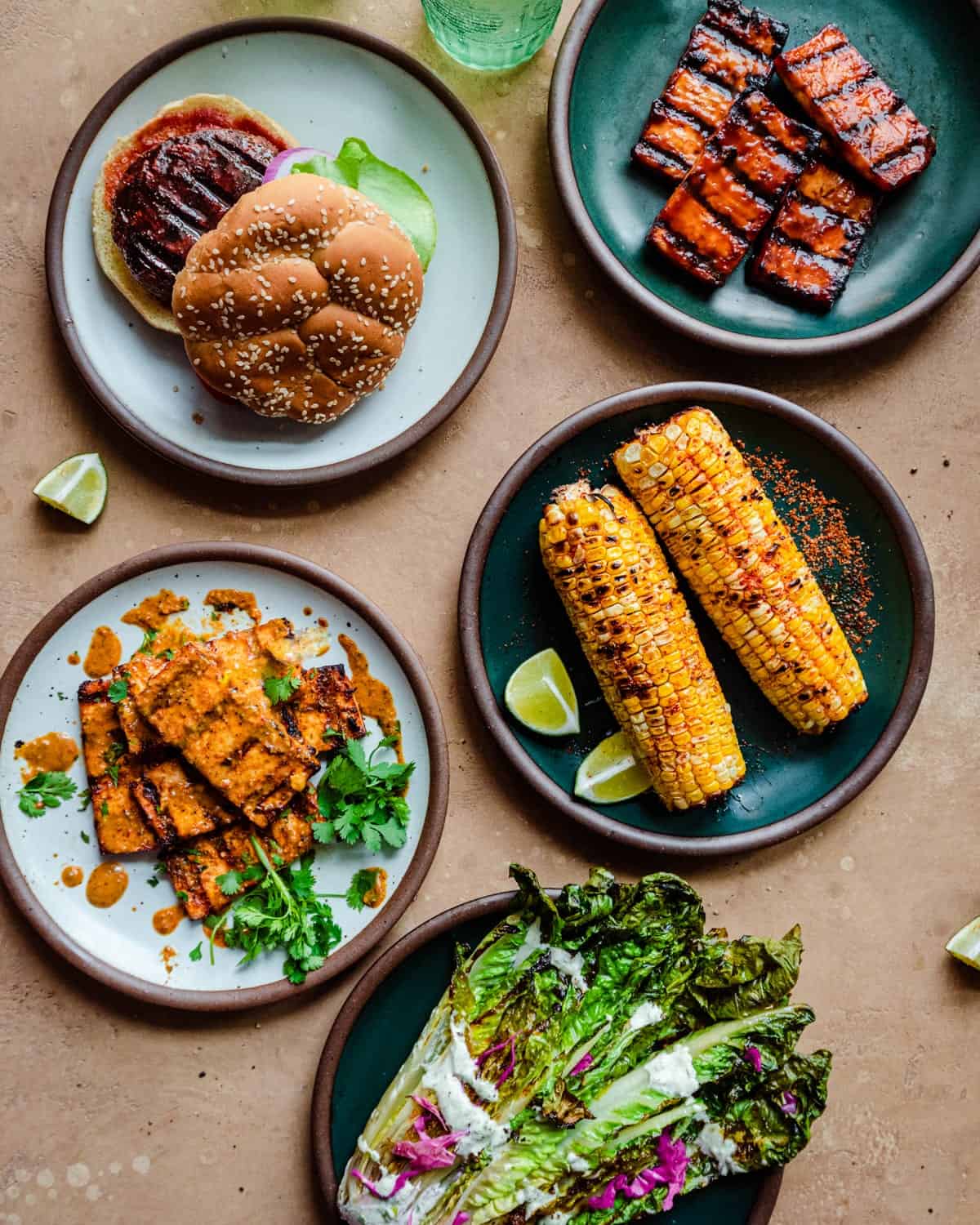
The Burger Baseline: Mastering Plant-Based Patties
Let's face it: the plant-based burger is still the most popular entry point for many. Beyond Meat and Impossible Foods are the big names, consistently battling for market share, but Lightlife and Gardein also offer compelling options. Beyond Meat tends to focus on a beefier flavor and texture, utilizing pea protein and beet juice for a reddish hue. Impossible Burgers, relying on soy and heme, aim for a more realistic "bleed" and a savory umami flavor.
Lightlife burgers often have a cleaner ingredient list and a slightly different texture—a bit more crumbly, perhaps—while Gardein offers a wider range of options, including different blends and patty sizes. When it comes to grilling, each brand behaves a little differently. Beyond and Impossible tend to hold together well, but can dry out quickly if overcooked. Lightlife requires a gentler touch, and Gardein patties can sometimes be prone to sticking.
A common mistake is treating plant-based patties like beef burgers. They don’t have the same fat content, so they require a little more attention. Preheat your grill to medium-high heat. Avoid direct, scorching heat at first. Gently place the patties on the grill and sear for 3-4 minutes per side. Resist the urge to press down on them—you’ll squeeze out all the flavorful juices. Simply Recipes recommends a similar approach for traditional burgers, but emphasizes the importance of not overhandling the patties, which is especially true for plant-based options.
Another pitfall is overcooking. Plant-based patties don't need to reach the same internal temperature as beef to be safe to eat. In fact, overcooking will result in a dry, crumbly burger. Aim for a slightly browned exterior and a warm interior. A good rule of thumb is to grill until the internal temperature reaches 145°F, but honestly, visual cues are often more reliable.
Sausage & Steaks: Expanding Your Grill Game
Plant-based sausages are generally easier to grill than burgers. Brands like Field Roast and Tofurky offer a variety of flavors and textures. Unlike beef or pork sausages, these don’t render fat, so they won’t self-baste. This means you’ll need to be mindful of sticking and drying out. I find that a light coating of oil helps prevent sticking and promotes browning.
Cooking time is typically shorter than with traditional sausages. Keep a close eye on them and rotate frequently to ensure even cooking. They’re best served with a generous slather of your favorite grilling sauce. Plant-based steaks, however, present a bigger challenge. Achieving a good sear and replicating the texture of beef is difficult.
Brands like Gardein and Alpha Foods are making strides in this area, but the results are still mixed. The key is to marinate. A marinade not only adds flavor but also helps to tenderize the plant-based steak. A combination of soy sauce, olive oil, garlic, and herbs works well. Grill over medium-high heat for 4-5 minutes per side, basting frequently with the marinade. Don’t expect a perfect replica of a ribeye, but a flavorful and satisfying meal is definitely achievable.
Chicken & Seafood: Surprisingly Good Alternatives
Plant-based chicken is becoming increasingly sophisticated. Companies like MorningStar Farms and Quorn offer a range of options, from nuggets and tenders to fillets and cutlets. Grilling these can be a bit tricky, as they tend to dry out quickly. A light coating of oil and frequent basting with sauce are essential. I’ve had good luck with using a grill basket to prevent sticking and ensure even cooking.
Plant-based seafood is the newest frontier in this revolution. Companies like Good Catch and Simulate are creating alternatives to tuna, shrimp, and scallops. The texture is often different from the real thing, but the flavor can be surprisingly good. Grilling plant-based seafood requires a delicate touch. Direct heat can easily cause it to fall apart.
I recommend using a cedar plank or a grill basket to protect the seafood and infuse it with flavor. A simple marinade of lemon juice, olive oil, and herbs works well. These alternatives are often best served with bright, fresh flavors that complement their delicate taste. Don't be afraid to experiment with different seasonings and sauces.
Food Safety First: Plant-Based Concerns
Just because these products are plant-based doesn’t mean food safety isn’t important. The USDA offers comprehensive guidelines for grilling hamburgers safely, and many of those principles apply here as well. While you don’t have to worry about the same level of bacterial contamination as with raw meat, proper handling and cooking are still crucial.
Always wash your hands thoroughly before and after handling plant-based foods. Use separate cutting boards and utensils to prevent cross-contamination. While a specific internal temperature isn't as critical as with beef, ensuring the product is heated through is important. It's best to follow the package instructions for recommended cooking times and temperatures. It’s always better to err on the side of caution.
Be mindful of potential allergens. Many plant-based products contain soy, wheat, or nuts. Check the ingredient list carefully if you or your guests have allergies. Proper storage is also key. Keep plant-based foods refrigerated until ready to grill, and discard any leftovers that have been left at room temperature for more than two hours.
- Wash hands thoroughly before and after handling.
- Use separate cutting boards and utensils.
- Heat products through, following package directions.
- Be aware of potential allergens.
- Store properly and discard leftovers promptly.
Grilling Gear: Tools for the Plant-Based Chef
Certain grilling tools can make your plant-based grilling experience significantly easier. A good grill basket is essential for smaller items like vegetables or delicate plant-based seafood. It prevents sticking and allows for even cooking. A high-quality spatula with a thin edge is also helpful for flipping patties and sausages without tearing them.
A grill thermometer is always a good investment, even for plant-based grilling. While precise temperatures aren't as critical, it's still useful to ensure the food is heated through. At Grill Matey, we offer a range of grilling gloves and aprons to protect you from the heat. And for adding a smoky flavor, our cedar planks are a fantastic option – they work especially well with plant-based salmon or chicken alternatives.
Consider a grill with adjustable temperature zones. This allows you to sear plant-based steaks or burgers over high heat, then move them to a cooler zone to finish cooking without burning. A brush for cleaning the grill grates is also essential, as plant-based foods can sometimes leave behind a sticky residue.
2026 Predictions: What's Next for Plant-Based Grilling?
Looking ahead to 2026, I anticipate several key trends in plant-based grilling. We’ll likely see continued improvements in texture and flavor, with companies investing heavily in research and development to create products that are even more indistinguishable from their animal-based counterparts. More realistic muscle fiber structures and better fat marbling are on the horizon.
I expect to see a surge in innovation in plant-based seafood. The current options are good, but there’s still plenty of room for improvement. We might see more realistic alternatives to lobster, crab, and other popular seafood items. The development of whole-muscle cuts will also be a major focus. Creating a plant-based steak that truly mimics the experience of eating beef is a holy grail for many companies.
Lab-grown meat alternatives, while still in their early stages, could become more prevalent by 2026. While regulatory hurdles remain, the technology is advancing rapidly. It’s possible we’ll see lab-grown burgers and sausages available for grilling, offering a more sustainable and ethical alternative to traditional meat. The cost will need to come down significantly, but the potential is there. Ultimately, plant-based grilling will continue to evolve, offering more choices and more delicious options for grillmasters everywhere.
Side dish Porn!
— Renee (@TexasCowgrl1111) October 20, 2024
If y’all are staying away from carbs, here’s a great french fry dish!
It’s a beautiful Fall day, so we’ll be grilling burgers and I’m gonna make these fries to go with it!! 😋
Jicama Fries
Ingredients:
3 cups cooked jicama
1 tsp olive oil
1 tsp… pic.twitter.com/gnF0pDEwkl

No comments yet. Be the first to share your thoughts!