

The science of the sear
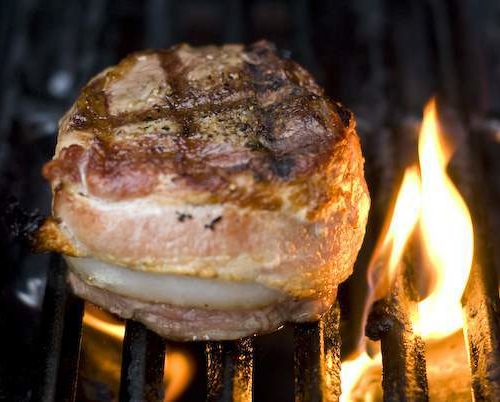
A proper sear is the foundation of a good filet. It creates the Maillard reaction—that chemical change where sugars and amino acids turn into a brown crust. Grills hit the high temperatures needed for this, though the process feels different than using a cast iron pan on a stove.
I used to think that simply hitting medium-rare was enough to have a good steak. I was wrong. A truly great filet mignon needs that deeply browned crust. It adds complexity and a textural contrast to the incredibly tender interior. It took a lot of practice, and a few ruined steaks, to really understand how to get it right. It’s a skill worth mastering.
When you’re buying filet, look for a cut that’s at least 1.5 inches thick. Thinner cuts are harder to sear without overcooking. Marbling – those flecks of fat within the muscle – is important too, even in a lean cut like filet. It adds flavor and moisture. The color should be a bright, cherry red, not brown or gray. Don't be afraid to ask your butcher for help selecting a good piece.
Content is being updated. Check back soon.
Hitting the right temperature
Forget just thinking in terms of "rare,’ ‘medium-rare,’ or ‘well-done.’ Those are too broad. Achieving a perfect filet mignon is about hitting specific internal temperatures. A reliable instant-read thermometer is your best friend here. I personally recommend the Thermapen ONE – it"s an investment, yes, but the speed and accuracy are unmatched. Cheaper thermometers can be off by several degrees, which can make a big difference with a delicate cut like filet.
Steaks keep cooking after they leave the grill. I pull mine about five degrees before the target. If I want a 130°F medium-rare, I take it off at 125°F. The internal heat finishes the job while the meat sits on the counter.
There’s a common myth that you can accurately judge doneness by pressing on the steak. While experienced cooks can get a general idea, it’s not reliable enough for consistently perfect results. Trust the thermometer. Here’s a quick guide to target temperatures:
Keep in mind these temperatures are guidelines, and personal preference plays a role. Don't be afraid to experiment to find what you like best.
- Rare: 125-130°F (52-54°C) – Cool, red center
- Medium-rare: 130-135°F (54-57°C). The center is warm and red.
- Medium: 135-145°F (57-63°C) – Warm, pink center
- Medium-Well: 145-155°F (63-68°C) – Slightly pink center
- Well-Done: 155°F+ (68°C+) – No pink
Filet Mignon Doneness Guide
| Doneness Level | Internal Temperature (°F/°C) | Texture | Recommended For | Notes |
|---|---|---|---|---|
| Rare | 125-130°F / 52-54°C | Very soft, cool red center | Those who prefer a very tender, almost raw steak | Expect significant carryover cooking; rest is crucial. |
| Medium-Rare | 130-140°F / 54-60°C | Soft, warm red center | Most steak enthusiasts; balances tenderness and flavor | The sweet spot for many, offering a juicy and flavorful experience. |
| Medium | 140-150°F / 60-66°C | Slightly pink center | Those who prefer less red meat but still want some juiciness | A good compromise, but can start to lose some tenderness. |
| Medium-Well | 150-160°F / 66-71°C | Hint of pink center | Those who prefer a thoroughly cooked steak | Risk of becoming dry; careful monitoring is key. |
| Well-Done | 160°F+ / 71°C+ | No pink, firm throughout | Those who prefer no pink in their steak | Generally not recommended for filet mignon due to potential dryness. |
Illustrative comparison based on the article research brief. Verify current pricing, limits, and product details in the official docs before relying on it.
Grill Setup: Direct vs. Indirect Heat
For filet mignon, we’re going to use a combination of direct and indirect heat. Direct heat is what gives you that beautiful sear, while indirect heat allows the steak to cook through without burning the outside. Think of it like this: the sear is a quick burst of intense heat, and the indirect cooking is a slower, more gentle process.
To set up your grill, create two zones. On a gas grill, turn one or two burners to high and leave the others off or on low. On a charcoal grill, pile the coals on one side, leaving the other side empty. This creates a hot zone for searing and a cooler zone for indirect cooking. A clean grill grate is also essential – a dirty grate will prevent a good sear.
I’ve learned a lot about charcoal over the years. Lump charcoal burns hotter and cleaner than briquettes, giving you a better sear. However, briquettes hold their temperature more consistently, which can be helpful for longer cooks. It really comes down to personal preference and what you’re looking for. I often use a combination of both.
Content is being updated. Check back soon.
Seasoning and prep
Filet mignon is a delicate cut, and you don’t want to overpower its natural flavor. Keep the seasoning simple: kosher salt and freshly cracked black pepper are all you really need. Avoid using pre-mixed steak seasonings, as they often contain too many ingredients. I prefer Diamond Crystal Kosher Salt – the larger flakes distribute evenly and provide a good crunch.
Dry brining – salting the steak 1-2 hours before grilling – can significantly improve flavor and moisture retention. The salt draws moisture out of the steak, then gets reabsorbed, breaking down proteins and resulting in a more tender and flavorful final product. You can also add a touch of garlic powder or onion powder, but use them sparingly.
Many people say to let the steak sit out until it hits room temperature. I'm not sure it actually changes the final result, but it's a harmless habit if you have the time.
The Two-Zone Grill: Sear Then Finish
Now it’s time to grill. Start by searing the filet mignon over high, direct heat for 2-3 minutes per side. Don’t move the steak around while it’s searing – let it develop a good crust. You’ll know it’s ready to flip when it releases easily from the grate. Achieving good grill marks is about heat and contact; don't fiddle with the steak!
Once seared, move the filet mignon to the indirect heat zone. Continue cooking until it reaches your desired internal temperature, checking frequently with your thermometer. Close the grill lid to help maintain a consistent temperature. This step typically takes another 3-7 minutes, depending on the thickness of the steak and your desired level of doneness.
Don’t overcrowd the grill. Grilling too many steaks at once will lower the temperature and prevent a good sear. Work in batches if necessary. I’ve seen people try to cook a whole platter of steaks at once, and it always results in a disappointing outcome. Patience is key.
Resting: The Forgotten Step
Resting the steak is absolutely crucial. It allows the juices to redistribute throughout the muscle fibers, resulting in a more tender and flavorful steak. If you cut into it immediately after grilling, all those juices will run out onto the cutting board, leaving you with a dry, tough steak.
Rest for at least 10 minutes. I recommend tenting the steak loosely with foil to keep it warm. Don’t wrap it tightly, as that will steam the steak and make the crust soggy. I’ve experimented with different resting times, and 10 minutes is the sweet spot for filet mignon – any longer, and it starts to cool down too much.
Sauce It Up (Or Don't)
Filet mignon is so tender and flavorful that it doesn't really need a sauce. But a good sauce can certainly elevate it. Some classic steakhouse sauces include Béarnaise, a rich and buttery emulsion; a red wine reduction, which adds depth and complexity; and a simple garlic herb butter.
I usually stick to garlic herb butter. It adds fat and scent without hiding the beef. I mix softened butter with two cloves of minced garlic and a handful of chopped parsley.
Ultimately, the choice is yours. Don't be afraid to experiment and find what you like best. Sometimes, the best sauce is no sauce at all.
No comments yet. Be the first to share your thoughts!