

Rethinking the backyard barbecue
The sizzle of a grill, the aroma of smoky meat…barbecue is practically synonymous with summer. But the typical BBQ generates a surprising amount of waste. Think about it: packaging from meats and sauces, discarded vegetable trimmings, single-use plastics, and leftover food that ends up in the trash. It adds up quickly. Zero-waste grilling is about enjoying all the good parts of BBQ while dramatically reducing that environmental impact.
This isn't about deprivation. You don't have to sacrifice flavor to cut down on trash. It is about being intentional with what you buy and how you cook it. By 2026, we expect tighter regulations on food packaging, so getting ahead of those changes now is just practical.
This approach extends beyond simply recycling. It’s about viewing every part of the ingredients as valuable and finding creative ways to utilize them. It requires a bit more planning and effort, but the rewards – both in terms of environmental responsibility and delicious food – are well worth it. We'll explore how to make your next BBQ a truly sustainable event.

Using the whole bird
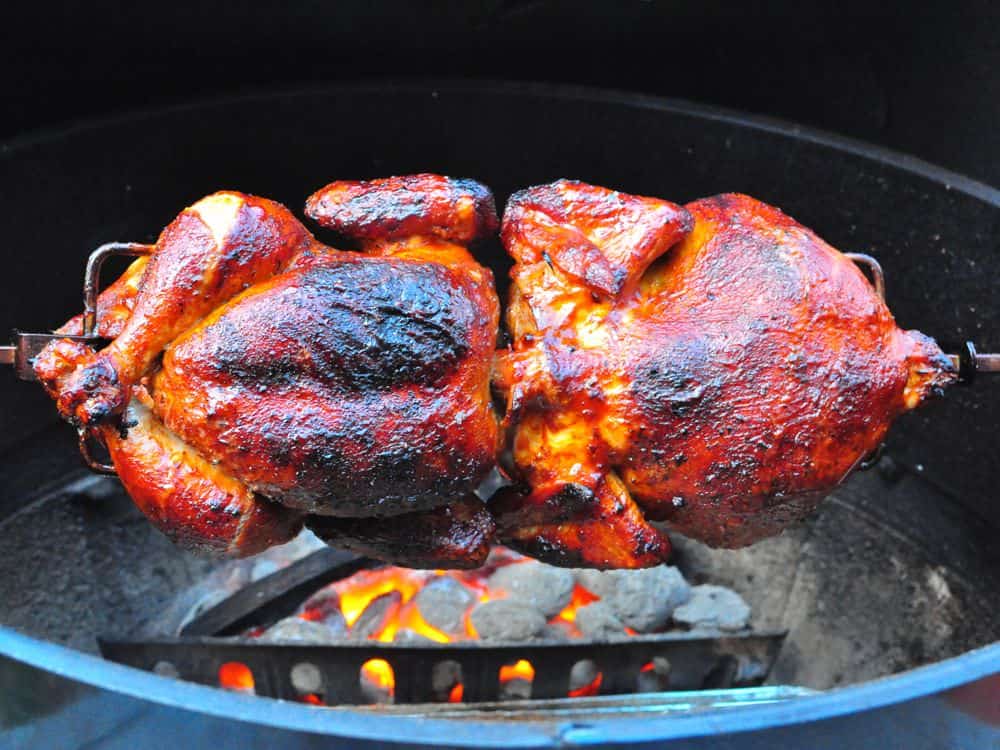
The whole chicken is a fantastic starting point for zero-waste grilling. It's a relatively inexpensive bird, and utilizing every part minimizes waste and maximizes flavor. Many people discard the carcass after carving, but that’s a huge mistake. A simple chicken stock is easily made by simmering the bones with vegetable scraps and herbs – a recipe is available on Grill Matey to get you started.
Don’t toss the skin either! Chicken skin can be rendered into crispy, flavorful cracklings. This takes a little time, but it's a fantastic snack or garnish. Even the fat can be saved and used for cooking, adding richness to roasted vegetables or potatoes. According to the USDA’s Food Safety Inspection Service (fsis.usda.gov), it's absolutely essential to handle chicken safely. Always cook to an internal temperature of 165°F (74°C) to avoid foodborne illness.
A good marinade is what keeps a whole bird from drying out. I usually stick to lemon, herbs, and olive oil. Using every part of the chicken is a simple way to respect the animal and keep the trash can empty.
Scraps are flavor, not filler
Vegetable scraps are often overlooked, but they’re packed with flavor and shouldn’t be thrown away. Broccoli stems, pepper cores, onion skins – these can all be repurposed into delicious ingredients. One of the best uses for vegetable scraps is making vegetable stock. Simply save the scraps in a freezer bag and simmer them with water, herbs, and spices for a flavorful base for soups and sauces.
You can also infuse oils with vegetable scraps. For example, chili stems and garlic skins can be infused into olive oil for a spicy kick. Pesto can be made from carrot tops or radish greens. Some vegetables lend themselves particularly well to whole-grill preparation. Grilling romaine hearts gives them a smoky char and a delightful crunch. Artichokes, halved and grilled, are another fantastic option.
If you have a dehydrator, you can turn scraps into powders for seasoning. Otherwise, pickling works for tougher ends like chard stems or radish tops. Experimenting with these bits is the only way to find out what actually tastes good.
Choosing better fuel
The fuel you use for your grill has a significant environmental impact. Traditional charcoal is often made from hardwoods that aren’t sustainably sourced. Propane, while cleaner-burning, is a fossil fuel. Wood, while natural, can contribute to deforestation if not harvested responsibly. Fortunately, there are more sustainable alternatives available.
Lump charcoal, made from sustainably managed forests, is a good option. It burns hotter and cleaner than briquettes and produces less ash. Wood pellets, often made from recycled sawdust, are another eco-friendly choice. Electric grills are the most sustainable option, as they don't produce any emissions directly, though their overall impact depends on the source of your electricity.
Each option has its pros and cons. Lump charcoal can be more expensive than briquettes, and electric grills may not provide the same smoky flavor as traditional charcoal or wood. Fruit woods like apple or cherry can add a subtle sweetness to grilled foods, but sourcing them sustainably is crucial. Consider your priorities – cost, convenience, flavor – and choose the fuel that best aligns with your values.
Shop your pantry for marinades
Reducing packaging waste is a key component of zero-waste grilling. That means making your own marinades and rubs instead of buying pre-made mixes. You probably already have many of the necessary ingredients in your pantry: olive oil, vinegar, salt, pepper, garlic powder, onion powder, paprika, and various herbs and spices.
A simple base marinade can be made with olive oil, lemon juice, garlic, and herbs like rosemary or thyme. A basic dry rub can be made with salt, pepper, paprika, garlic powder, and onion powder. These can be customized to your liking with different herbs and spices. The Mediterranean Dish’s emphasis on fresh, flavorful ingredients is a great inspiration here.
Growing your own herbs is an excellent way to reduce waste and add fresh flavor to your marinades and rubs. Even a small herb garden can provide a steady supply of basil, rosemary, thyme, and other essential herbs. By using what you already have and sourcing ingredients responsibly, you can create delicious marinades and rubs without contributing to unnecessary waste.
Pantry Staples for Marinades & Rubs
- Olive Oil - Forms the base for many marinades, helping flavors adhere and keeping food moist.
- Vinegar - (Apple Cider, Balsamic, Red Wine) Adds acidity for tenderizing and balancing flavors.
- Soy Sauce - Provides umami and saltiness, excellent for chicken and vegetable marinades.
- Garlic - Fresh cloves or garlic powder are essential for almost any grilling rub or marinade.
- Paprika - (Smoked, Sweet, Hot) Adds color and smoky flavor, versatile for both chicken and veggies.
- Cumin - A warm, earthy spice that complements chicken, especially in Southwestern-inspired rubs.
- Chili Powder - Offers varying levels of heat and complexity, perfect for adding a kick to your BBQ.
- Black Pepper - Freshly ground black pepper enhances the flavor of any marinade or dry rub.
Tools that last
Investing in durable, high-quality grilling tools and accessories is a smart long-term strategy for reducing waste. Cheaply made tools often break quickly and need to be replaced frequently. By investing in well-made items, you’ll reduce the need for constant replacements.
Switch to stainless steel skewers, grill baskets, and silicone brushes. These replace the bags of bamboo sticks and plastic brushes that melt or get tossed after one season.
I understand that not everyone can afford top-of-the-line equipment. Look for used grilling tools at thrift stores or garage sales. Even small changes, like switching to reusable skewers, can make a difference. The goal is to choose items that will last and reduce your overall consumption.
Leftover Transformations
Don't let leftover grilled chicken and vegetables go to waste. Repurposing leftovers into new meals is a great way to minimize food waste and get creative in the kitchen. Grilled chicken can be shredded and used in salads, tacos, or sandwiches. It's also delicious added to soups or stir-fries.
Leftover grilled vegetables can be tossed into pasta salads, frittatas, or quiches. They can also be pureed into soups or sauces. Get creative and experiment with different flavor combinations. I’ve found that leftover grilled chicken, sliced and served on a toasted roll with a little pesto, makes a fantastic sandwich.
Planning for leftovers is key. When grilling, consider making a little extra so you have ingredients on hand for a quick and easy meal the next day. This prevents food waste and saves you time and effort in the long run. Thinking beyond the initial grilling session will help you embrace a truly zero-waste approach.

No comments yet. Be the first to share your thoughts!