

The shift to plant-based grilling
Grilling is changing. By 2026, plant-based options won't be the side dish anymore. People are moving toward vegetables and meat alternatives because they want better flavors and a smaller environmental footprint.
Consumer demand is definitely driving this change. More people are incorporating plant-based meals into their diets for health, ethical, or environmental reasons. Concerns about the impact of traditional meat production on the planet are also growing, and grilling—historically a meat-centric activity—is feeling that pressure. The evolution of meat alternatives is responding to this demand, and the quality is improving rapidly.
I’m excited about the possibilities. Grilling vegetables properly can unlock a whole new world of flavor, and the latest plant-based proteins are getting surprisingly close to mimicking the texture and taste of real meat. It’s not a perfect substitute yet, but the progress is remarkable. This isn't a fleeting fad; it's a fundamental shift in how we think about barbecues.
Working with alternative proteins
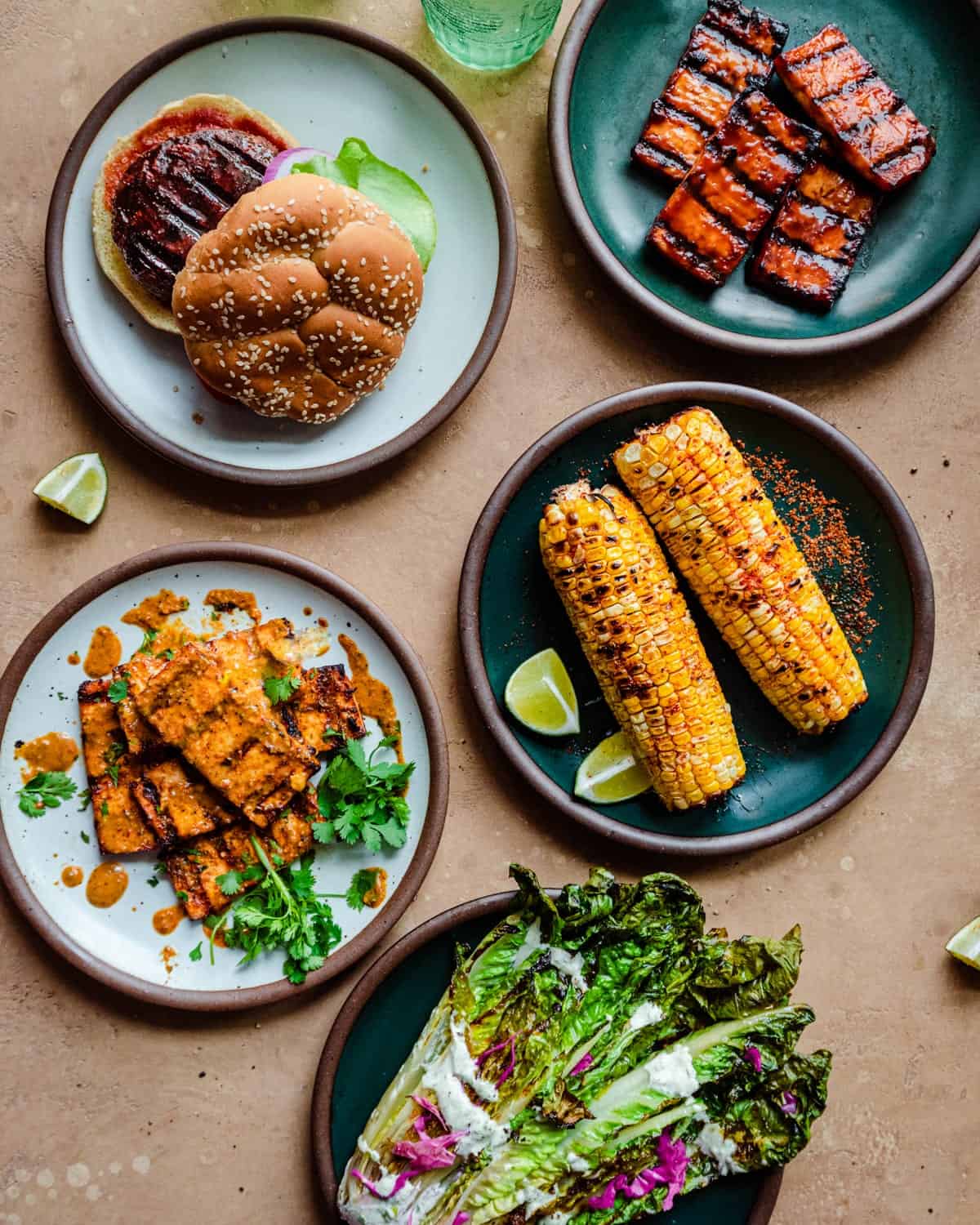
The plant-based meat alternative market is booming, and for good reason. Beyond Meat and Impossible Foods were early leaders, and they still hold a significant share, but the field is becoming increasingly crowded. Beyond Burgers, for example, are widely available and grill up reasonably well, though they can sometimes lack the structural integrity needed for a really satisfying burger experience. I find they benefit from a slightly lower grilling temperature and a gentle hand when flipping.
Impossible Burger, with its heme-based flavor, often delivers a more "meaty’ taste, but it can also be prone to sticking to the grill. A well-oiled grate is essential. Newer players, like Lightlife and Gardein, are also offering grilling-friendly products. Gardein’s Ultimate Plant-Based Burgers have impressed me with their texture and ability to hold up to grilling, though the flavor isn’t quite as bold as Impossible"s.
I use smoked paprika and liquid smoke to help Beyond patties taste less like peas. For Impossible meat, a splash of vegan Worcestershire and brown sugar helps it caramelize. These patties cook faster than beef, so pull them off the heat a minute earlier than you think you should.
Honestly, I’ve had some frustrating experiences with plant-based sausages falling apart on the grill. Pre-cooking them slightly in a skillet before finishing them on the grill can help them hold together. It’s an extra step, but it’s worth it to avoid a messy situation. The key is to treat these alternatives with a bit more care and attention than you would give a traditional burger or sausage.
Plant-Based Burger Comparison for Grilling (2026 Outlook)
| Brand | Flavor when Grilled | Texture Retention | Marinade Receptiveness | Availability |
|---|---|---|---|---|
| Beyond Meat | Generally robust, beef-like flavor; can become slightly charred easily. | Tends to be softer when grilled, may require careful handling to avoid falling apart. | Good, readily absorbs marinades, especially those with umami notes. | Widely available in major grocery chains and restaurants. |
| Impossible Burger | Distinctly savory and meaty flavor, often described as having a more complex profile than Beyond. | Holds its shape relatively well on the grill, offering a firmer bite. | Excellent, benefits from marinades that complement its inherent savory flavor. | Broadly available, similar to Beyond Meat, but potentially more regional variation. |
| Gardein Ultimate Plant-Based Burger | More subtly flavored; relies heavily on seasonings and marinades to develop a robust taste. | Can become drier and more crumbly when grilled, requiring lower heat and shorter cook times. | Moderate; marinades help improve flavor and moisture but may not fully penetrate. | Good availability, often found in the frozen food section of supermarkets. |
| Lightlife Plant-Based Burger | Mild, bean-forward flavor; benefits significantly from bold marinades and toppings. | Tends to be firmer and more resilient on the grill, but can become slightly rubbery if overcooked. | Very good, absorbs marinades well, allowing for customization of flavor profiles. | Increasingly available, expanding distribution in mainstream grocery stores. |
| MorningStar Farms (various plant-based patties) | Flavor profiles vary significantly depending on the specific patty; generally milder than Beyond or Impossible. | Texture varies; some patties hold up well, while others can be prone to crumbling. | Moderate to good, depending on the specific patty formulation. | Very widely available, a long-standing brand in the plant-based space. |
Illustrative comparison based on the article research brief. Verify current pricing, limits, and product details in the official docs before relying on it.
Vegetables Take Center Stage
Let’s be clear: grilling isn’t just about replacing meat with alternatives. It's about celebrating the incredible flavors of vegetables. Some are obvious choices – bell peppers, zucchini, corn on the cob – but others deserve more attention. Portobello mushrooms, for instance, become wonderfully meaty on the grill and are fantastic in burgers or served as a main course.
The key to successful vegetable grilling is understanding heat control. Dense vegetables like potatoes and carrots require direct heat for a longer period, while more delicate vegetables like asparagus and spinach are better suited to indirect heat. For vegetables that might fall through the grates – and there are many! – skewers are your best friend. Metal skewers are reusable and conduct heat well, while bamboo skewers need to be soaked in water for at least 30 minutes beforehand to prevent burning.
Don’t overlook less common options. Radicchio, with its slightly bitter flavor, becomes wonderfully caramelized on the grill. Fennel, with its anise-like taste, is also excellent. Even romaine lettuce, briefly grilled, can add a smoky element to salads. I recently grilled halved avocados, cut-side down, and the results were surprisingly delicious – creamy, smoky, and perfect with a squeeze of lime.
Marinades & Rubs: Plant-Based Power-Ups
Plant-based proteins and vegetables often benefit from a good marinade or rub. Unlike meat, they don’t have inherent umami or fat content to carry flavor, so you need to be more proactive. Marinades help tenderize and infuse flavor, while rubs add a crusty, flavorful exterior.
Ingredient pairings are crucial. Smoky paprika and cumin work wonders with portobello mushrooms. Teriyaki sauce is a classic pairing for tofu. For zucchini and squash, a lemon-herb marinade is bright and refreshing. I’m a big fan of using balsamic vinegar in marinades for vegetables – it adds a lovely sweetness and acidity.
To maximize marinade penetration, score the surface of the plant-based protein or vegetable. This creates more surface area for the marinade to absorb. Marinate for at least 30 minutes, or even overnight in the refrigerator. Here are a few of my go-to marinade recipes:
Spicy Peanut Marinade: ¼ cup peanut butter, 2 tbsp soy sauce, 1 tbsp rice vinegar, 1 tbsp sriracha, 1 tsp ginger (grated). Lemon-Herb Marinade: ¼ cup olive oil, 2 tbsp lemon juice, 1 tbsp chopped parsley, 1 tbsp chopped thyme, 1 clove garlic (minced). Balsamic Glaze: ¼ cup balsamic vinegar, 1 tbsp brown sugar, 1 tsp Dijon mustard.
- Spicy Peanut Marinade: ¼ cup peanut butter, 2 tbsp soy sauce, 1 tbsp rice vinegar, 1 tbsp sriracha, 1 tsp ginger (grated).
- Lemon-Herb Marinade: ¼ cup olive oil, 2 tbsp lemon juice, 1 tbsp chopped parsley, 1 tbsp chopped thyme, 1 clove garlic (minced).
- Balsamic Glaze: ¼ cup balsamic vinegar, 1 tbsp brown sugar, 1 tsp Dijon mustard.
Plant-Based Flavor Profiles
- Mediterranean - Lemon juice, oregano, garlic, olive oil, a pinch of sumac.
- Spicy Asian - Gochujang, grated ginger, soy sauce, sesame oil, rice vinegar.
- Smoky Southwestern - Chipotle powder, ground cumin, lime juice, smoked paprika, a touch of maple syrup.
- Herbes de Provence - Dried thyme, rosemary, savory, marjoram, lavender (use sparingly!).
- Moroccan Spice Blend - Ground coriander, turmeric, cinnamon, cumin, cayenne pepper.
- Caribbean Jerk - Scotch bonnet peppers (use cautiously!), allspice, thyme, ginger, scallions.
- Italian Herb Garden - Basil, parsley, rosemary, garlic powder, a drizzle of balsamic glaze.
Grilling Gadgets for the Plant-Based Cook
A few specialized tools can make plant-based grilling significantly easier. A good grill basket is essential for preventing smaller vegetables from falling through the grates. Look for one made of stainless steel with a tight mesh. Vegetable skewers are also a must-have, as mentioned earlier. Consider investing in a set of both metal and bamboo skewers.
Cedar planks are fantastic for adding a smoky flavor to vegetables. Soak the plank in water for at least 30 minutes before placing it on the grill, and then place your vegetables directly on top. They work particularly well with portobello mushrooms and asparagus. Grill mats, while somewhat controversial, can be useful for preventing sticking, especially with plant-based burgers.
I'm not convinced that all the fancy grilling gadgets are worth the investment. A good pair of tongs and a reliable grill brush are far more important. However, a quality grill basket and a set of skewers are definitely worth adding to your arsenal. Don't fall for the hype – focus on tools that solve real problems.
New FDA labeling rules
The FDA recently issued draft guidance for how companies label plant-based meat. The goal is to make sure a 'burger' label actually describes what is inside and how the nutrition compares to beef. You can find the full details on the FDA website.
What does this mean for you? Look for labels that clearly state what the product is and what it is not. For example, a plant-based burger should clearly state that it's made from plants and may not have the same nutritional profile as a beef burger. Pay attention to the ingredient list and nutritional information panel. The FDA is aiming to prevent products from being labeled in a way that implies they are nutritionally equivalent to their animal-derived counterparts.
Recipe Standouts: Sharon Palmer’s Picks
Sharon Palmer, The Plant Powered Dietitian (sharonpalmer.com), has a wealth of incredible plant-based grilling recipes. Her approach is all about flavor and nutrition. Here are a few standouts:
Grilled Pineapple Salsa Burgers: These burgers combine the sweetness of grilled pineapple salsa with a hearty plant-based patty. It's a flavor explosion! Grilled Vegetable Skewers with Peanut Sauce: This recipe is a colorful and delicious way to enjoy a variety of grilled vegetables, drizzled with a flavorful peanut sauce. BBQ Jackfruit Sandwiches: Jackfruit, with its meaty texture, is a fantastic substitute for pulled pork in these satisfying sandwiches. Grilled Corn on the Cob with Chipotle Lime Butter: A classic summer side dish elevated with a smoky chipotle lime butter. Grilled Portobello Steaks with Balsamic Glaze: These portobello mushrooms are marinated in balsamic vinegar and grilled to perfection, creating a hearty and flavorful main course. Grilled Veggie & Black Bean Burgers: A homemade burger packed with flavor and nutrients.
I highly recommend visiting Sharon’s website for the full recipes and more inspiration. She provides detailed instructions and beautiful photography. Her recipes are a testament to the versatility and deliciousness of plant-based grilling.

No comments yet. Be the first to share your thoughts!