

Get grilling right
Before you light the charcoal or fire up the gas, setting up your station correctly prevents the most common beginner mistakes. Grilling is less about the recipe and more about temperature control and timing. A few minutes spent on preparation saves you from burnt exteriors and raw centers.
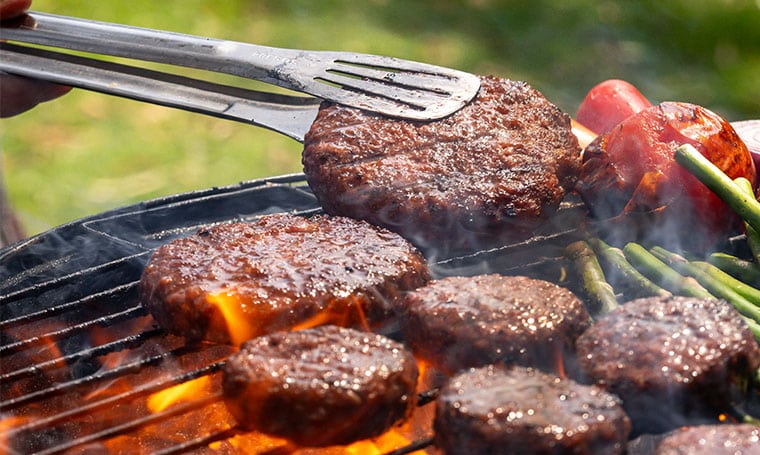
Clear the deck and check your tools
Start by cleaning the grates. Whether you are using a gas or charcoal grill, scrape the grates while they are warm, then brush them down. Apply a thin layer of high-smoke-point oil (like canola or avocado) to prevent sticking. This is especially important for delicate proteins like filet mignon, which can bond instantly to dirty metal.
Gather your tools before they are needed. You will need a reliable instant-read thermometer, long-handled tongs, and a heat-resistant spatula. Avoid using forks to pierce meat, as this releases valuable juices. Keep a spray bottle of water nearby to manage flare-ups without drowning your food in sauce.
Build your fire zones
Understanding heat zones is the single most important skill in grilling. You need two distinct areas: a direct heat zone for searing and an indirect heat zone for gentle cooking. For charcoal grills, pile the coals on one side. For gas grills, turn all burners to high, then turn off one or more after preheating.
This setup allows you to sear a burger or chicken skin quickly over high heat, then move it to the cooler side to finish cooking through without burning. Whole chickens and thick filets benefit greatly from this two-zone approach, ensuring even cooking from edge to edge.
Preheat until it’s truly hot
Many beginners skip the preheat, leading to uneven cooking. Preheat your grill on high for 10–15 minutes. You should be able to hold your hand over the grates for only 2–3 seconds before pulling it away. This ensures the grates are hot enough to sear properly and that the internal temperature is stable.
For charcoal, wait until the coals are ashed over and glowing red. For gas, let the lid close to build consistent ambient heat. A properly preheated grill creates the Maillard reaction—the browning that adds flavor and texture—almost immediately upon contact.
Walk through the steps
Grilling reliably comes down to heat management and timing. This guide covers the core workflow for three staples: filet mignon, burgers, and whole chicken. Each protein needs a different approach to heat, but the sequence remains the same: prep the grill, manage the heat zones, cook with precision, and rest.
Start by clearing the grates and heating the grill to high for 10–15 minutes. This burns off residue and creates a non-stick surface. Use a grill brush to scrub the grates clean while they are hot. A clean surface prevents food from sticking and ensures better sear marks. Wipe the grates with an oil-soaked paper towel using tongs to add a thin layer of protection before cooking.
Set up your coals or burners to create two distinct zones. For charcoal, pile the coals on one side. For gas, turn off one or more burners. This creates a hot direct zone for searing and a cooler indirect zone for finishing. This setup is critical for whole chicken, which needs indirect heat to cook through without burning the skin, and for burgers that might flare up.
For filet mignon, sear over direct heat for 2 minutes per side, then move to indirect heat to reach your desired internal temperature. For burgers, keep them over direct heat but watch for flare-ups; move them to indirect if flames rise too high. For whole chicken, place it over the indirect zone skin-side down first to crisp the skin, then flip to finish cooking. Use a thermometer to check doneness: 130°F for medium-rare steak, 160°F for burgers, and 165°F for chicken.
Remove the meat from the grill and let it rest on a cutting board or warm plate. Steaks and burgers need 5 minutes to allow juices to redistribute. Whole chicken needs at least 10 minutes. Cutting into meat immediately causes juices to run out, leaving the protein dry and less flavorful. This step is non-negotiable for a juicy result.
Fix common mistakes
Even experienced grillers hit snags with filet mignon, burgers, and whole chicken. These errors usually come down to heat management, timing, or prep. Correcting them turns a risky cook into a reliable routine.
Filet mignon: overcooking and skipping the rest
Filet mignon is lean, so it dries out fast if it stays on the heat too long. A common mistake is aiming for well-done instead of medium-rare (130–135°F internal). Another error is slicing immediately after removing it from the grill. The juices need time to redistribute.
Let the steak rest for 5–10 minutes before cutting. This keeps the meat juicy and tender. Use an instant-read thermometer to check the temperature early, then pull the steak when it’s 5°F below your target, as carryover cooking will finish the job.
Burgers: pressing and flipping too often
Pressing down on a burger patty with a spatula squeezes out the flavorful juices, leaving a dry, tough result. Similarly, flipping burgers more than once prevents a good crust from forming and extends the cooking time unnecessarily.
Flip burgers only once, when the edges look cooked and the bottom is nicely seared. Form patties slightly wider than your buns, as they shrink during cooking. Use a thermometer to ensure ground beef reaches 160°F for safety, but avoid squishing the meat.
Whole chicken: uneven heat and undercooking
Whole chicken often cooks unevenly because the breast dries out before the thighs reach a safe temperature. A frequent mistake is not trussing the bird or leaving the cavity empty, which blocks heat circulation. Another error is pulling the chicken off the grill before the thickest part of the thigh hits 165°F.
Tie the legs together (truss) to promote even cooking. Brush the breast with oil or butter to protect it from direct heat. Check the internal temperature in the thickest part of the thigh, avoiding the bone. Let the chicken rest for 15 minutes before carving to retain moisture.
Grilling: what to check next
Grilling meat can feel like a guessing game, especially when you are balancing heat, time, and safety. Below are answers to the most common questions we receive from beginners and seasoned cooks alike. These guidelines cover the specific techniques needed for filet mignon, burgers, and whole chicken.
No comments yet. Be the first to share your thoughts!