

Get grilling right
Before you light the charcoal or fire up the gas, take five minutes to check your tools. A successful grill session depends less on magic and more on preparation. Skipping this step is the most common reason burgers stick, steaks sear unevenly, or brats burst open.
First, verify your grill’s temperature control. For charcoal, arrange your coals in two zones: a hot side for searing and a cool side for indirect cooking. Gas grills should have all burners functional and evenly heated. If your grill has hot spots, note them now so you can move food around during cooking.
Next, prepare your grates. Brush them clean with a stiff wire brush while they’re still cold or just heating up. Apply a thin layer of high-smoke-point oil (like canola or grapeseed) using a folded paper towel held with tongs. This creates a non-stick surface that prevents your burgers and steaks from tearing when you flip them.
Finally, have your tools within arm’s reach. You’ll need long-handled tongs for turning meat, a meat thermometer for safety, and a spray bottle for managing flare-ups. Keep raw meat separate from cooked food on your prep counter to avoid cross-contamination. With your grill preheated and tools ready, you’re set to cook.
Work through the steps
Grilling is less about magic and more about heat management. Whether you are cooking a quick weeknight burger or a slow-smoked brat, the process follows the same rhythm: prep, sear, finish, and rest. Skipping steps leads to dry meat or burnt crusts. Follow this sequence to get consistent results every time.
Prep the grill and meat
Start by cleaning the grates while the grill is still warm from the previous cook, then oil them lightly to prevent sticking. Pat your meat dry with paper towels; moisture is the enemy of a good sear. Season generously with salt and pepper at least 30 minutes before cooking to allow the salt to penetrate. For thick cuts like filet mignon, bring the meat to room temperature for 20 minutes to ensure even cooking.
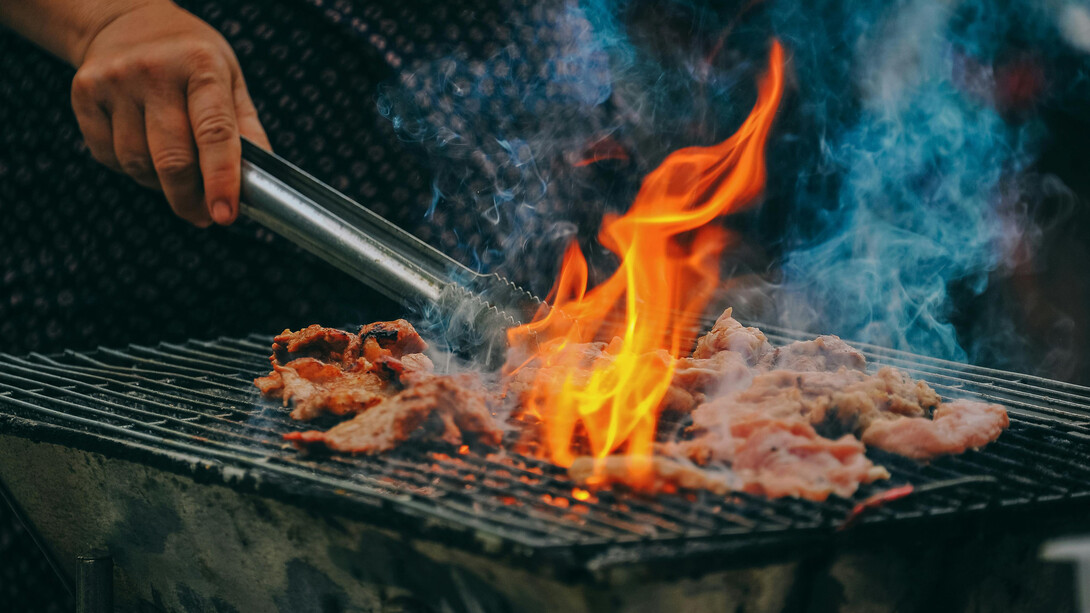
Build a two-zone fire. For charcoal, pile coals on one side of the grill and leave the other side empty. For gas, turn on all burners to high, then turn off one side once you reach temperature. This creates a hot zone for searing and a cooler zone for indirect cooking. Aim for 450°F to 500°F for burgers and brats, and 500°F+ for steaks. Close the lid and let it preheat for 10–15 minutes.
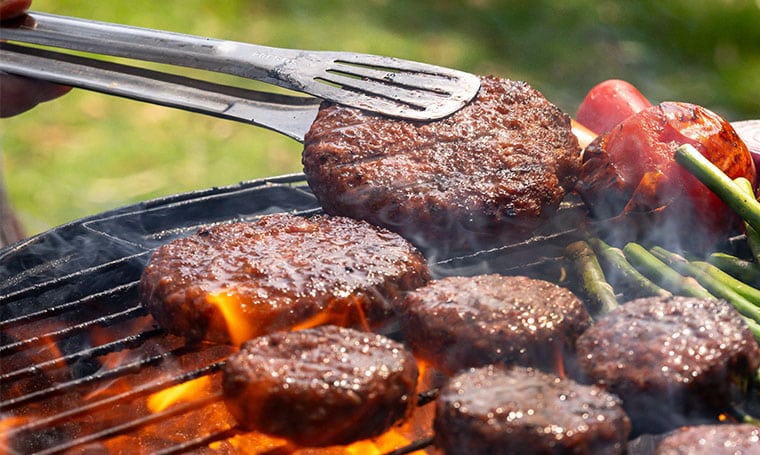
Place the meat over the direct heat. Do not move it for the first 2–3 minutes. Let a crust form. For burgers, press down only if you want a thinner patty, but generally avoid pressing as it squeezes out juices. Flip once. For steaks, rotate 90 degrees halfway through the first side to create crosshatch marks. Cook until the exterior is well-browned and releases easily from the grates.
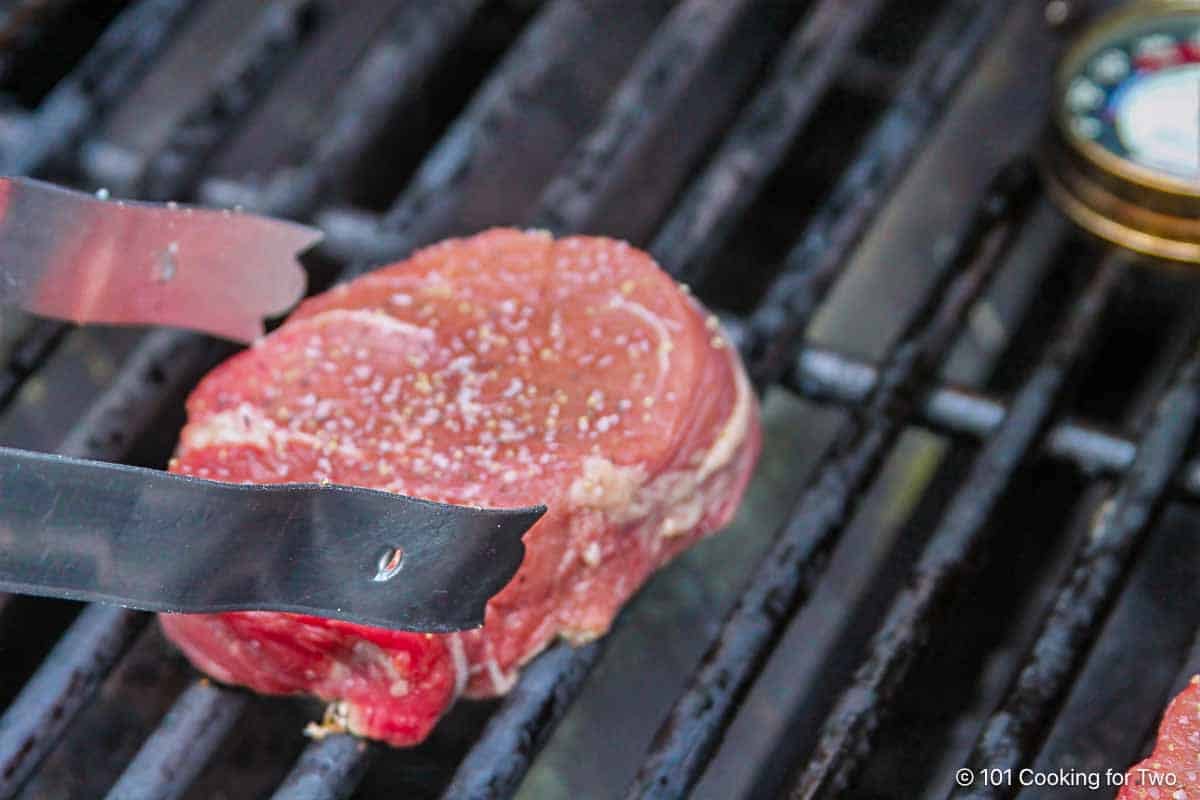
If the outside is browned but the inside is not at your target temperature, move the meat to the cooler side of the grill. Close the lid. This allows the heat to circulate and cook the center without burning the exterior. Use a meat thermometer to check progress. Burgats need about 160°F, brats 160°F, and filet mignon 130°F for medium-rare. This step usually takes 5–10 minutes depending on thickness.
Transfer the meat to a plate or cutting board and tent loosely with foil. Let it rest for 5–10 minutes. This allows the juices, which have been driven to the center by the heat, to redistribute throughout the meat. If you cut into it immediately, the juices will run out onto the board, leaving the meat dry. Slice against the grain for steaks.
Common mistakes to avoid
The most frequent error is flipping meat too often. While constant flipping can actually cook more evenly, most home cooks flip only once and then panic, moving the meat around constantly. This prevents a proper crust from forming. Another mistake is using a lidless grill for thick cuts. Without a lid, you are only grilling the surface, not cooking the interior. Always close the lid to create an oven-like environment.
Proof checks
Use an instant-read thermometer. Visual cues can be misleading, especially with thicker cuts like filet mignon. Insert the probe into the thickest part of the meat, avoiding bone or fat. For burgers, ensure the internal temperature reaches 160°F for food safety. For brats, 160°F is ideal for a juicy bite. Steaks are judged by preference: 130°F for medium-rare, 140°F for medium. If you don't have a thermometer, make a small incision to check the color, but this releases juices.
Fix common grilling mistakes
Most ruined burgers, tough steaks, and split brats come from three predictable errors: pressing the patty, ignoring the grill’s temperature zones, and skipping the rest period. Correcting these habits turns unpredictable flare-ups into consistent, juicy results.
Don’t press the burger
Flipping a burger and pressing down with your spatula squeezes out the fat and juices that keep the meat tender. That liquid is flavor, not just grease. Instead, flip once when you see juices pooling on the top surface, and let the heat do the work.
Use an instant-read thermometer to check the center. For medium-rare beef, aim for 130°F (54°C). Remove the patty from the heat when it is 5 degrees below your target, as it will continue to cook slightly after being removed.
Let burgers and steaks rest on a plate or cutting board for five to ten minutes. This allows the muscle fibers to relax and reabsorb the juices, ensuring every bite is moist rather than dry.
Master two-zone heat
Grilling over a single intense heat source is the fastest way to burn the outside while leaving the inside raw, especially for thicker cuts like filet mignon or large brats. Create two zones: one side for high-heat searing and the other for indirect, gentle cooking.
Start your steak or brat over the direct flame to get a dark, flavorful crust. Then move it to the cooler side of the grill to finish cooking through without charring. This method gives you control over the internal temperature and prevents the "charcoal outside, raw inside" disaster.
Avoid cold meat
Putting cold meat directly onto a hot grill causes the exterior to seize up before the interior thaws and cooks. This leads to uneven cooking and tough textures. Take your burgers, steaks, and sausages out of the refrigerator 20 to 30 minutes before grilling. Letting them come to room temperature ensures they cook evenly from edge to center.
Grilling: what to check next
You have practical objections before making a decision. Here are the answers to the most common questions about grilling burgers, filet mignon, and smoky brats.
No comments yet. Be the first to share your thoughts!