

Prep your grill and tools
Start with a clean surface. Scrub the grates with a stiff wire brush to remove leftover char and debris from previous cooks. A dirty grill transfers bitter flavors and causes food to stick. If you are using a gas grill, leave the lid open during this phase. For charcoal, ensure the ash is cleared from the bottom of the bowl.
Next, set the temperature. Preheat your grill on high for 10 to 15 minutes. This burns off residual grease and sterilizes the metal. Use an infrared thermometer to check the grate temperature. Aim for 450°F to 500°F for searing steaks and burgers. Lower heat (350°F) works for chicken, but start high to sear, then move to indirect heat.
Gather your tools before lighting the fire. You need long-handled tongs for turning, a meat thermometer for safety, and a heat-resistant spatula for burgers. Keep a spray bottle of water nearby to manage flare-ups from dripping fat. Have a clean platter ready for the finished meat.
Scrub the cold grates thoroughly with a wire brush. Remove any large chunks of carbonized meat. Wipe down the exterior surfaces with a damp cloth to remove dust.
Turn all burners to high or arrange charcoal in a pile. Close the lid and wait 10-15 minutes. The grill is ready when the grates are hot enough to sizzle water droplets instantly.
Fold a paper towel into a small pad. Dip it in vegetable or canola oil. Hold it with tongs and rub the oiled pad across the hot grates. This creates a non-stick barrier for your steaks and burgers.
Your workspace is now ready. The grill is hot, clean, and lubricated. This preparation ensures that your steaks develop a proper crust and your burgers don't disintegrate on the grate. Move on to seasoning your proteins.
Grill Filet Mignon with High Heat
Filet mignon is the most tender cut on the cow, but its leanness makes it unforgiving. Without adequate fat to baste the meat from the inside, it dries out faster than ribeye or strip steak. The strategy here is simple: sear hard and fast to build a crust, then finish gently so the center stays pink and juicy.
Start with a clean, hot grill. You want the grates glowing, not just warm. A two-zone fire is your best friend. Pile the coals or turn on the burners on one side for direct high heat (450°F–500°F). Leave the other side off or on low for indirect heat. This setup lets you sear without burning the exterior before the center cooks.
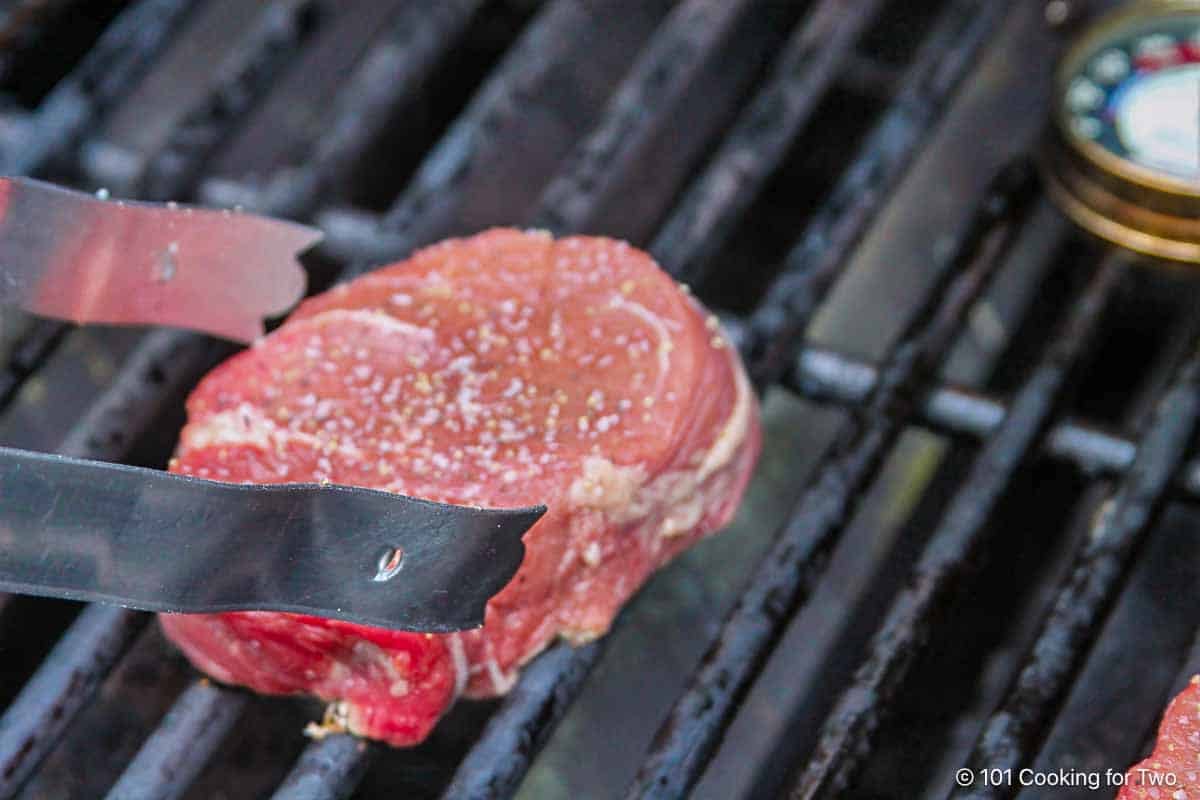
Pat the steaks completely dry with paper towels. Moisture is the enemy of a good sear; it creates steam instead of crust. Season generously with kosher salt and coarse black pepper right before they hit the grill. Do not press down on the meat with your spatula. You are squeezing out the precious juices that keep filet mignon tender.
Place the steaks directly over the high heat. Let them sit undisturbed for 2–3 minutes. You want deep, dark char marks. Do not move them until they release naturally from the grates. If you have to force them, they aren’t seared yet. Flip and sear the other side for another 2–3 minutes.
Once you have a crust on all sides, including the edges, move the steaks to the indirect heat zone. Close the lid. This traps the heat like an oven, cooking the inside gently. Use an instant-read thermometer to monitor the internal temperature. Pull the steaks when they hit 120°F–125°F for medium-rare. The temperature will rise a few degrees while they rest.
Transfer the steaks to a warm plate or cutting board. Loosely tent them with foil and let them rest for 5–10 minutes. This allows the muscle fibers to relax and reabsorb the juices. If you cut into a steak immediately, the juices run out onto the board, leaving you with dry meat. Slice against the grain and serve.
Form and cook burger patties safely
Shape one-half pound of ground beef into a patty about one inch thick. Make a shallow dimple in the center of each patty with your thumb. This prevents the meat from puffing up into a ball as it cooks, keeping the burger flat and even.
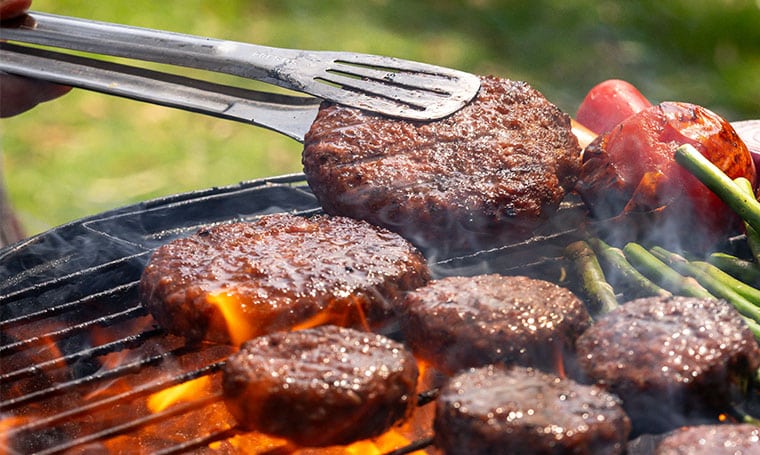
Place the patties on a preheated medium grill. Close the lid to trap heat and cook undisturbed for four to five minutes. You will see juices pooling on the surface when they are ready to flip. Turn them over carefully to avoid tearing the meat.
Cook the second side for another four to five minutes. Use an instant-read thermometer to check the internal temperature. Ground beef must reach 160°F (71°C) to kill harmful bacteria like E. coli. Do not rely on color alone; a brown exterior does not guarantee safety.
Let the burgers rest on a plate for two minutes before serving. This allows the juices to redistribute throughout the meat, ensuring every bite stays moist and flavorful.
Roast Whole Chicken Indirectly
Indirect heat is the only way to cook a whole bird evenly without drying out the breast meat while waiting for the thighs to reach temperature. This method turns your grill into an oven. You place the chicken away from the flames, allowing hot air to circulate around the entire body. The result is tender meat and crisp skin.
Set Up the Two-Zone Fire
Start by arranging your charcoal or gas burners to create a hot zone and a cool zone. If using charcoal, pile the briquettes on one side of the grill. Leave the other side empty. If using gas, light only the burners on one side. Turn off the burners on the opposite side. This creates a safe landing spot for the chicken where it won’t burn.
Place a drip pan on the empty side of the grill, directly under where the chicken will sit. This catches fat and juices, preventing flare-ups that can char the skin before the inside is cooked. The drip pan also makes cleanup easier later. Preheat the grill with the lid closed until it reaches 350°F to 375°F.
Prepare and Place the Chicken
Pat the chicken dry with paper towels. Moisture is the enemy of crispy skin. Rub the bird with oil, salt, and your preferred seasoning blend. Make sure to season under the skin on the breast and inside the cavity for even flavor distribution. Let the chicken sit at room temperature for 30 minutes before grilling.
Place the chicken breast-side up on the grate over the drip pan, away from the direct heat source. Do not move it for the first 45 minutes. Moving the bird disrupts the heat flow and can cause uneven cooking. Close the lid immediately. Maintaining a consistent temperature is critical for roasting.
Monitor Temperature and Rest
Cook the chicken for about 1 hour to 1 hour and 15 minutes, depending on size. Do not open the lid frequently. Each time you lift the lid, you lose heat and extend the cooking time. Instead, use an instant-read thermometer to check the internal temperature. Insert the probe into the thickest part of the thigh, avoiding the bone. The chicken is done when the thigh reads 165°F and the breast reads 155°F. The temperature will rise slightly as it rests.
Once the chicken reaches the target temperature, remove it from the grill. Tent it loosely with foil and let it rest for 15 minutes. This allows the juices to redistribute throughout the meat. Cutting into it immediately will cause the juices to run out, leaving the meat dry. Resting ensures every bite is moist and flavorful.
Troubleshooting Common Issues
If the skin is browning too quickly, move the chicken further away from the heat source or lower the grill temperature. If the internal temperature is rising too slowly, check that the vents are open enough to maintain airflow. For charcoal grills, add a few fresh briquettes to the hot side if the temperature drops below 325°F.
Always trust your thermometer over the clock. Chicken sizes vary significantly. A 5-pound bird will cook much faster than a 7-pound one. Use the thermometer to guide your timing, not the recipe’s suggested duration. This ensures food safety and the best possible texture.
Avoid common grilling mistakes
Even experienced grillers hit snags when the heat isn't managed right. These three errors ruin texture and flavor, but they are easy to fix with a few technique adjustments.
Stop Poking Steaks
Turning meat repeatedly causes juices to leak out, leaving the steak dry. For steaks, flip only once. Place the steak on the grate and leave it alone until it releases naturally. If it sticks, the surface hasn't seared yet; wait another minute. For burgers, flip once at the halfway mark. For chicken thighs, flip once to ensure the skin crisps evenly. Use tongs to turn, never a fork, which pierces the meat and lets moisture escape.
Manage Flare-Ups
Grease dripping onto hot coals or burners causes sudden flare-ups that char the outside before the inside cooks. Keep a spray bottle of water nearby to tame flames instantly. Move food to a cooler part of the grill (indirect heat) while the flames die down. For burgers, lean the meat against the side of the grate to avoid direct flame contact. For thick steaks, sear over high heat for one minute per side, then move to indirect heat to finish cooking to the target internal temperature.
Don't Skip the Rest
Cutting meat immediately after grilling causes all the accumulated juices to spill onto the cutting board. Let steaks rest for at least 5 minutes on a warm plate. Tent loosely with foil to keep them warm. This allows the muscle fibers to relax and reabsorb the juices. Burgers and chicken can be served sooner, but a 2-3 minute rest still improves texture.
Checklist for Perfect Grilling
-
Pat meat dry before seasoning to ensure a good sear.
-
Oil the grates, not the meat, to prevent sticking.
-
Flip steaks and burgers only once.
-
Move food to indirect heat during flare-ups.
-
Rest steaks for 5 minutes before slicing.
Grilling FAQ and tips
Answer specific questions about timing, rules, and order of operations to keep your grilling simple and safe.
No comments yet. Be the first to share your thoughts!