Skipping prep work ruins the sear. Whether grilling filet mignon, burgers, or whole chicken, you need a hot, clean surface. A cold or dirty grate causes sticking and transfers bitter flavors from burnt residue.
Turn burners to high or arrange charcoal for a two-zone fire. Aim for at least 450°F (230°C). This heat kills bacteria and opens metal pores. Let gas grills run for 10–15 minutes. For charcoal, wait until coals are covered in white ash.
Scrub the grates with a sturdy brass or stainless steel brush. Remove carbon buildup to prevent sticking. Finally, oil the surface. Fold a paper towel in a pad, dip it in high-smoke-point oil like canola or grapeseed, and wipe the grates lightly with tongs. Do not spray oil directly, as this causes flare-ups.
1
Heat the grill
Turn burners to high or arrange charcoal for a two-zone fire. Let it heat for 10–15 minutes until coals are white-ashed or burners are fully glowing. This opens the metal pores and kills residue.
2
Scrub the grates
Use a stiff wire brush to scrub the grates while they are hot. Remove all carbon buildup and food particles to prevent sticking and bitter flavors.
3
Oil the surface
Dip a folded paper towel in oil and use tongs to wipe the grates lightly. Avoid spraying oil directly to prevent dangerous flare-ups. This creates a non-stick surface for your meat.
Grill filet mignon with direct heat
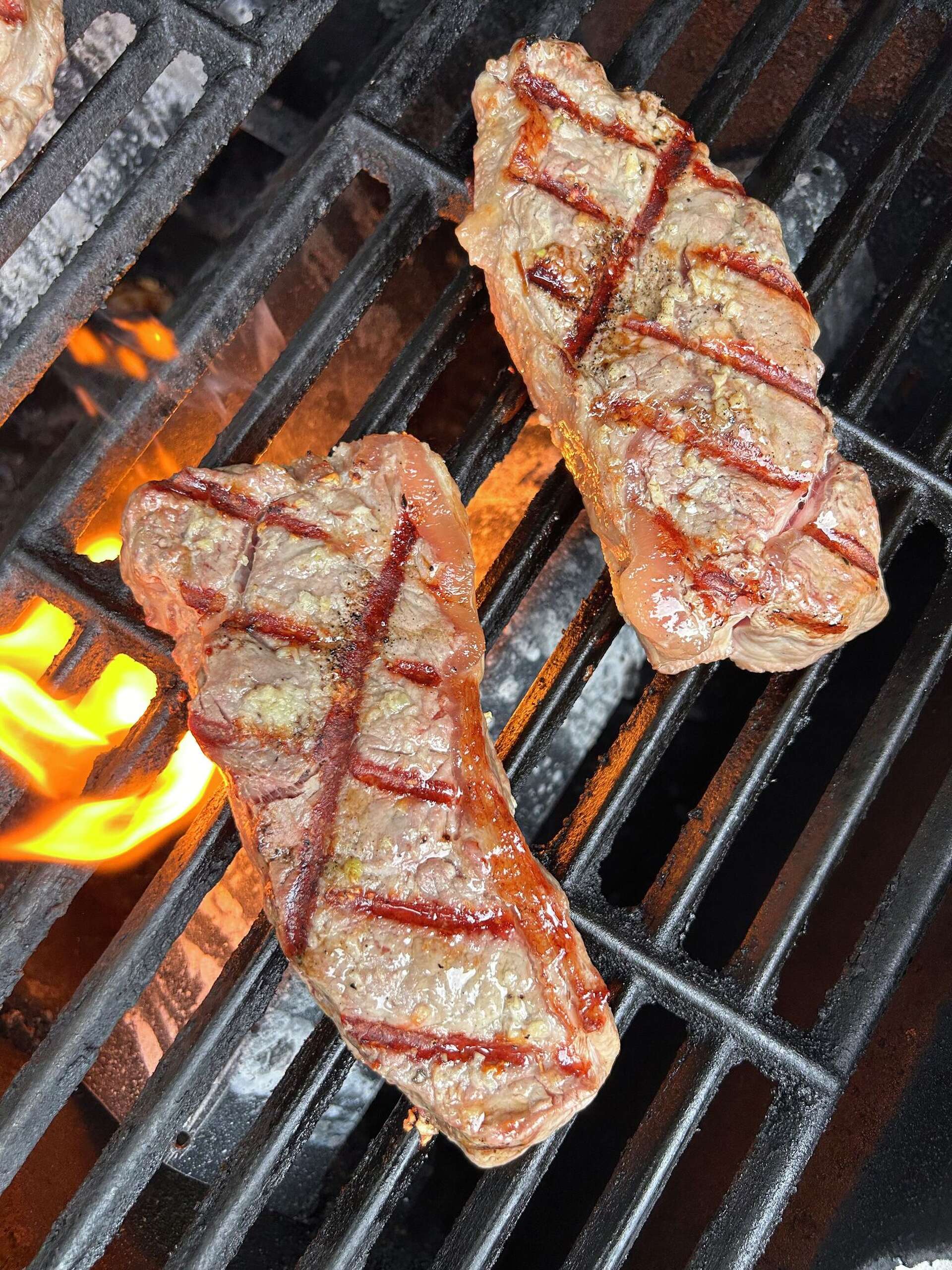
Filet mignon is lean and tender but dries out quickly. The goal is a crisp crust without overcooking the center. Use a two-zone fire: direct heat for searing and indirect heat for finishing.
Pat steaks dry with paper towels. Moisture prevents browning. Season generously with kosher salt and coarse black pepper just before grilling. Let them sit at room temperature for 15 minutes while the grill preheats.
1
Preheat for high heat
Get the grill hot. Aim for 450°F to 500°F. Create a two-zone setup by turning off burners on one side or pushing coals to one side. You need intense direct heat for the crust and a cooler zone for finishing.
2
Sear the steak
Place the filet directly over the hot zone. Sear for 2 minutes without moving it. This creates the Maillard reaction, which gives the steak its flavor and color. Flip and sear the other side for another 2 minutes. If the steak is thick (over 1.5 inches), also sear the edges by holding it with tongs for 30 seconds per side.
3
Move to indirect heat
Transfer the steak to the cooler, indirect zone. Close the lid to trap heat. This gentle cooking method brings the internal temperature up evenly without burning the exterior. Cook until the internal temperature reaches 120°F to 125°F for rare or 130°F to 135°F for medium-rare. Use an instant-read thermometer inserted into the side of the steak.
4
Rest before serving
Remove the steak from the grill and place it on a warm plate or cutting board. Tent loosely with foil. Let it rest for 5 to 10 minutes. This allows the juices to redistribute throughout the meat. If you cut it immediately, the juices will run out, leaving the steak dry.
Cook burgers for juicy results
Grilling burgers requires patience. The goal is a crusty exterior with a center cooked evenly to a safe temperature. Keep ground beef cold until the last second; warm fat melts prematurely, leading to dense patties.
Divide meat into 4–6 ounce portions. Gently form patties slightly wider than your buns, as they shrink. Create a shallow dimple in the center with your thumb to counteract puffing during cooking.
1
Prepare the grill
Get your grill grates clean and oiled. Preheat to medium-high heat, aiming for about 400°F to 450°F. You want enough heat to sear the surface quickly, creating a flavorful crust that locks in juices, but not so much that the outside burns before the inside is done.
2
Season and grill
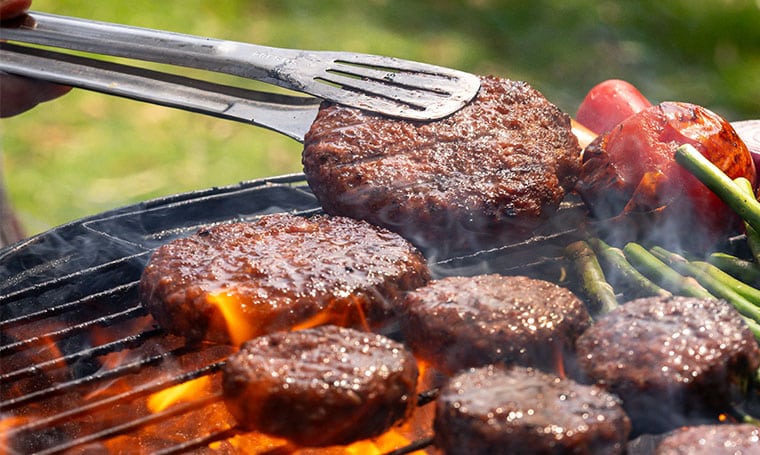
Place the patties on the grill. Season generously with salt and pepper immediately after placing them down. Do not press down on the patties with your spatula. Pressing squeezes out the precious fat and juices, leaving you with a dry burger. Let them cook undisturbed for about 3 to 4 minutes until you see juices pooling on the top surface and the edges begin to brown.
3
Flip and finish
Flip the burgers once. If they stick, they aren't ready to flip. Cook for another 3 to 4 minutes on the second side. If you are adding cheese, place it on the patty during the last minute of cooking and close the grill lid to melt it. The internal temperature should reach 160°F for ground beef to ensure safety, though many prefer 155°F if using high-quality, freshly ground beef.
4
Rest before serving
Remove the burgers from the grill and let them rest on a plate for at least 5 minutes. This allows the juices to redistribute throughout the patty rather than running out onto your plate when you take a bite. Serve immediately on toasted buns with your favorite toppings.
The biggest mistake is pressing patties. It forces flavorful fats and moisture out of the meat. Use an instant-read thermometer to check the center of the thickest part. Visual cues can be misleading; rely on temperature for safety and doneness.
Roast whole chicken indirectly
Indirect heat turns your grill into an oven. Place the chicken away from flames to cook through gently while crisping the skin. This method is essential for whole birds.
For charcoal, pile coals on two opposite sides, leaving the center empty. For gas, light only the outer burners. Pat the chicken dry and rub with oil and seasoning. Truss the bird by tying legs and tucking wings to ensure even cooking.
1
Place chicken on the grill
Position the chicken breast-side up in the center of the grill, directly over the drip pan if you are using one. Close the lid immediately. The lid traps heat and smoke, ensuring the chicken cooks like it is in a conventional oven. Do not open the lid frequently, as this releases heat and extends cooking time.
2
Monitor the temperature
Grill for about 1 to 1.5 hours, depending on the size of the bird. The target internal temperature is 165°F (74°C) in the thickest part of the thigh, away from the bone. Use an instant-read thermometer to check. If the skin is browning too fast, move the chicken slightly further from the heat source or tent it loosely with foil.
3
Rest before serving
Once the chicken reaches the safe temperature, remove it from the grill. Transfer it to a cutting board and let it rest for 15 to 20 minutes. This allows the juices to redistribute throughout the meat. Carving immediately will cause the juices to run out, leaving the meat dry.
Common grilling mistakes to avoid
Even experienced cooks make errors that ruin texture or create flare-ups. Fixing them relies on patience and technique.
Pressing down on burgers
Flipping a burger and pressing it with a spatula squeezes out juices. Resist the urge to flatten the meat. Let the heat create the sear naturally.
Moving meat too early
Meat sticks to grates if it hasn’t seared yet. Lifting it prematurely rips the surface. If the burger or steak resists movement, wait for natural release.
Skipping rest time
Slicing meat immediately lets juices escape. Resting allows muscle fibers to relax and reabsorb moisture. Wait five to ten minutes before cutting steaks and chicken.
1
Avoid pressing burgers
Don't press burgers with a spatula. This squeezes out essential juices, leaving the patty dry and dense. Let the heat create the sear naturally.
2
Wait to flip meat
Meat sticks if you try to lift it too soon. Wait for a natural release from the grates to prevent tearing the surface and losing flavor.
3
Rest before slicing
Slicing immediately lets juices escape. Let steaks and chicken rest for five to ten minutes. This allows fibers to relax and reabsorb moisture for a juicier bite.
Grilling checklist and tools
Gather your tools and preheat before lighting the grill. A smooth session requires the right equipment.
1
Prep the grill
Clean the grates with a brush. Oil them lightly with a high-smoke-point oil like canola or grapeseed. Preheat to high for direct searing, then adjust zones for indirect cooking. Allen Brothers offers a detailed guide on setting up these zones.
2
Gather your tools
You need a heavy-duty spatula for burgers, long tongs for chicken, and a sharp fork or knife for steaks. A digital thermometer is non-negotiable for accuracy. Have a large platter and foil ready for resting the meat.
3
Prep the meat
Take steaks and chicken out of the fridge 30 minutes before cooking. Pat them dry. Season generously with salt and pepper just before they hit the grill. Keep raw and cooked items on separate plates.
Grilling questions answered
Grilling times vary based on thickness and heat. Use these guidelines to avoid dry or undercooked results.
How long do I grill a filet mignon?
Grill for 4–5 minutes per side for a 1.5-inch steak. Use an instant-read thermometer to check for 130°F (54°C) for medium-rare. Remove from heat 5°F early, as the temperature will rise while resting.
What is the right internal temperature for grilled burgers?
Ground beef must reach 160°F (71°C) to kill bacteria. Unlike steaks, burgers should not be served rare. Check the center with a thermometer, ensuring the probe stays level.
How do I know when a whole chicken is done?
A whole chicken is done when the thickest part of the thigh registers 165°F (74°C). Insert the thermometer into the meat, avoiding the bone. Let the chicken rest for 10–15 minutes before carving.
No. Always thaw chicken completely before grilling to ensure even cooking and food safety.
Yes, flipping every minute can create a better crust and more even cooking, according to some grilling experts.
Clean and oil the grates well before heating. Let the steak sear undisturbed for a few minutes before flipping.


No comments yet. Be the first to share your thoughts!