

Filet Mignon, 2026: AI Does the Work
Perfectly cooked filet mignon, consistently, is finally within reach. 2026 will bring a genuine shift in how we approach grilling, moving beyond intuition and experience to data-driven precision. This isn't just about convenience; it's about unlocking the full potential of premium cuts like filet, eliminating the guesswork that often leads to overcooked, dry results. Backyard cooks have long strived for that restaurant-quality sear and tender interior, and artificial intelligence is poised to deliver it.
Current "smart’ grills offer some assistance – app connectivity, temperature monitoring, even pre-programmed settings. But they often feel like incremental improvements, still requiring a skilled operator to interpret data and make adjustments. Grills coming in 2026, particularly from Weber, represent a more fundamental change. These aren’t just grills with Wi-Fi; they"re sophisticated cooking systems that actively learn and adapt to deliver consistently exceptional results. The grilling experience will be one where the technology anticipates your needs, not just reacts to them.
The leap forward is in both hardware and software. These new grills are equipped with sensors and algorithms capable of monitoring internal meat temperature, ambient grill temperature, and even atmospheric conditions. They’ll use this data to predict cooking times, adjust burner settings, and ultimately, ensure your filet mignon is cooked to your exact desired doneness. This vision is quickly becoming reality. The biggest win will be for those who want a great steak but don’t necessarily want to become steak experts.
The Temperature Problem: Why Filet is Tricky
Filet mignon is a diva of the culinary world. Its low fat content, while contributing to its tenderness, also makes it incredibly susceptible to drying out if overcooked. Achieving that perfect medium-rare requires a delicate balance – a hot sear to develop a flavorful crust, followed by gentle heat to cook the interior without sacrificing moisture. Traditional grilling methods often fall short here.
Precise temperature control is paramount. It’s about understanding how different zones heat, how wind affects temperature, and how the thickness of the filet impacts cooking time. Even experienced grillers struggle with these variables. The 'bullseye' effect – where the center of the filet remains cooler than the edges – is a common issue, leading to uneven cooking and a less-than-ideal experience.
Human error is a significant factor. Distractions, imprecise temperature readings, and misjudging cooking time can all lead to a disappointing result. Traditional methods rely heavily on visual cues and the "poke test," both of which are subjective and prone to inaccuracy. The difference between a medium-rare masterpiece and a tough, overcooked steak can be a matter of just a few degrees.
AI's Role: Sensors and Algorithms
AI-powered grilling gathers and analyzes data. These grills are equipped with a network of sensors that constantly monitor key variables. Infrared sensors measure the surface temperature of the filet, providing real-time feedback on the sear. Internal meat probes, inserted directly into the cut, track the internal temperature with pinpoint accuracy. Ambient temperature sensors monitor the air surrounding the grill, accounting for external factors like wind and weather.
But sensors alone aren’t enough. It’s the algorithms that truly unlock the power of AI. These algorithms analyze the data from the sensors, using predictive modeling to estimate cooking times and adjust heat accordingly. They consider not only the current temperature but also the rate of temperature change, the thickness of the filet, and even the desired doneness level. Machine learning plays a crucial role here; the more the grill is used, the more data it collects, and the more accurate its predictions become.
The AI doesn’t just react to temperature changes, it anticipates them. It can adjust burner settings proactively, preventing the filet from overheating or undercooking. This is a significant departure from traditional grilling, where adjustments are typically made in response to observed results. The grills are learning, improving, and fine-tuning with every cook. It's not just about following a recipe; it's about dynamically adapting to the specific conditions of each grilling session.
Beyond basic temperature control, these systems are also capable of analyzing the steak’s composition. Some systems, like those highlighted by FUNanc1al, are working toward understanding the marbling and density of the meat to further refine cooking parameters. This level of detail is what separates a good steak from a truly exceptional one.
Weber's Vision: Predictive Grilling
Weber is making a big bet on AI, and their 2026 grill lineup reflects that commitment. According to announcements, their new grills will feature a "predictive grilling" system that goes beyond simple temperature monitoring. The system sends notifications directly to your smartphone, providing a countdown to food readiness and alerting you to any necessary adjustments. It's designed to be a step-by-step grilling assistant, guiding you through the entire process.
Weber’s approach seems to be focused on simplifying the grilling experience for the average home cook. They're not targeting professional chefs; they're aiming to empower anyone to consistently grill restaurant-quality meals. The integration with their existing grill lines is a key aspect of their strategy, allowing current Weber owners to upgrade their experience without having to purchase an entirely new system.
The problem Weber is trying to solve is the frustration and inconsistency that many grillers experience. They recognize that even with high-quality grills, achieving perfect results can be challenging. Their AI-powered system is designed to eliminate the guesswork, providing a reliable and predictable cooking experience. I’m particularly interested to see how well this system handles variations in meat quality and cut thickness.
Beyond Weber: The Competitive Field
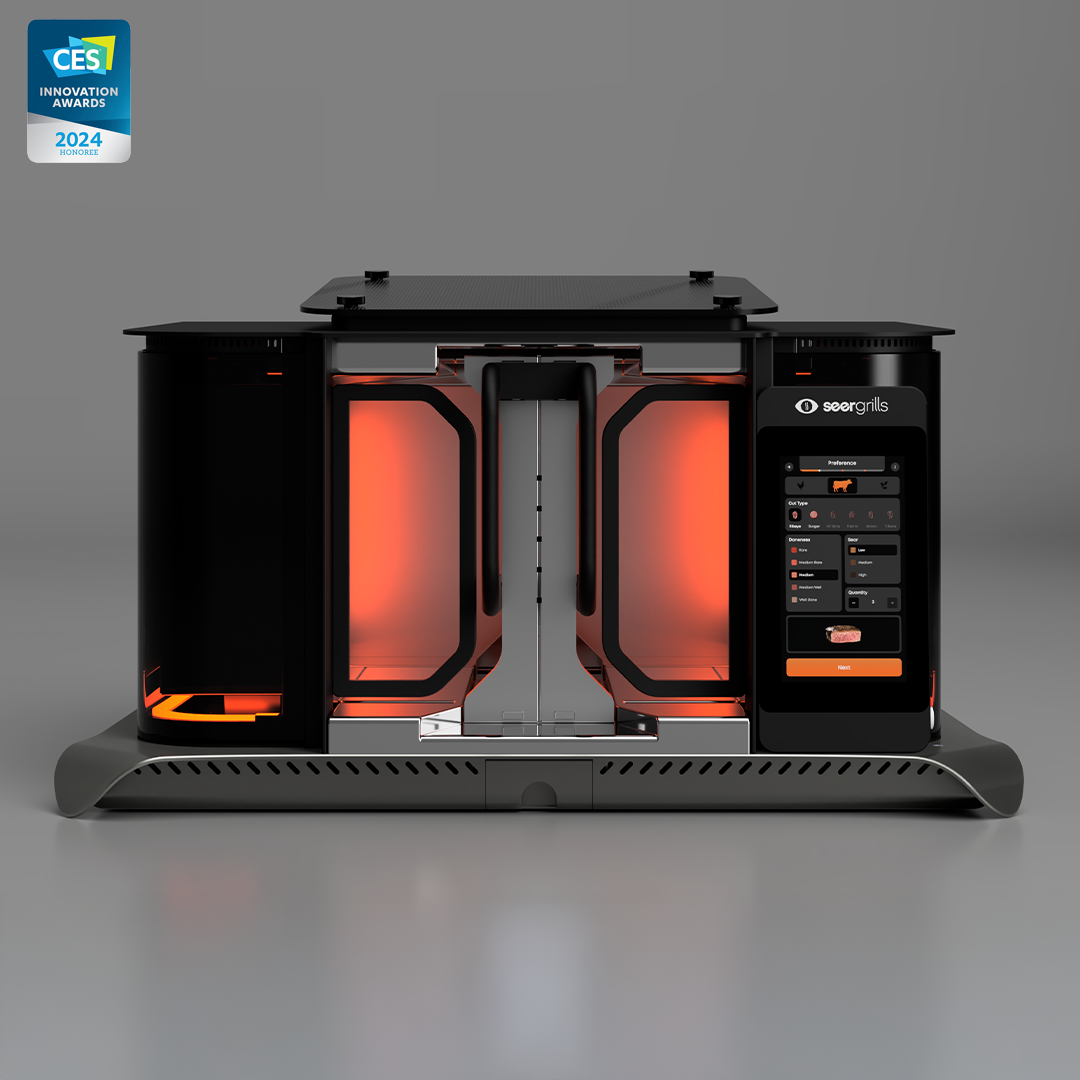
Weber isn't alone in the AI grilling space. Several other companies are exploring similar technologies, each with its own unique approach. FUNanc1al’s coverage highlights some of the more ambitious efforts, including grills capable of cooking steaks in as little as 90 seconds. These rapid-cooking technologies rely on intense heat and precise temperature control, but they also raise questions about texture and flavor.
Some companies are focusing on automated grilling systems, where the grill handles almost all aspects of the cooking process. Others are taking a more software-focused approach, developing AI-powered apps that provide real-time guidance and recommendations. There’s a real diversity of philosophies emerging, and it’s still too early to tell which approach will ultimately prevail.
The pros and cons of each approach are significant. Automated systems offer convenience but may lack the flexibility of manual control. Software-based solutions are more affordable but rely on the user to follow instructions carefully. The 90-second steak technology, while impressive, may not be suitable for all cuts of meat or all cooking preferences. It's a trade-off between speed, control, and quality.
The 90-Second Steak Reality Check
The claim of cooking a steak in 90 seconds is undeniably attention-grabbing, but it's important to approach it with a healthy dose of skepticism. Achieving this requires incredibly powerful heating elements and extremely precise temperature control. It’s not a simple matter of cranking up the heat; it requires sophisticated algorithms to prevent burning and ensure even cooking.
Such rapid heating can impact the texture and flavor of the steak. The Maillard reaction, responsible for the delicious browning and crust formation, may not have enough time to fully develop. There’s also a risk of the steak being cooked unevenly, with the exterior being overcooked while the interior remains underdone. It's a fine line to walk.
Certain cuts of meat are better suited to this method than others. Thinner cuts, like flank steak or skirt steak, are more likely to cook evenly in a short amount of time. Thicker cuts, like filet mignon, may require a longer cooking time, even with advanced technology. It’s not a one-size-fits-all solution.
Filet Mignon in Practice: A Step-by-Step Guide
Let’s assume you have a 2026 AI-powered grill. The process of grilling filet mignon becomes remarkably streamlined. First, season the filet generously with salt and pepper at least 30 minutes before grilling, or ideally, dry-brine overnight in the refrigerator. This helps to draw out moisture and enhance flavor. Allow the filet to come to room temperature for about 30 minutes before grilling, promoting even cooking.
Insert the grill’s internal meat probe into the thickest part of the filet. Select your desired doneness level on the grill’s control panel (rare: 125-130°F, medium-rare: 130-140°F, medium: 140-150°F). The grill will handle the rest, automatically adjusting the heat to achieve your desired temperature. For a 1.5-inch filet, expect a cooking time of around 8-12 minutes for medium-rare, but the AI will refine this estimate based on real-time data.
Once the grill indicates that the filet has reached the target temperature, remove it from the grill and let it rest for 5-10 minutes before slicing. Resting allows the juices to redistribute, resulting in a more tender and flavorful steak. Finish with a pat of butter and a sprinkle of fresh herbs, or serve with your favorite sauce. A simple red wine reduction pairs beautifully with filet mignon.
Future Grilling: What's Next?
The AI-powered grilling revolution is just beginning. We can expect to see even more sophisticated features in the years to come. Personalized cooking profiles, tailored to individual preferences and dietary needs, are a likely development. Integration with recipe apps will allow the grill to automatically adjust settings based on the recipe you’re following.
Automated cleaning systems, using robotic arms and sensors, could eliminate one of the most dreaded chores associated with grilling. Voice control and augmented reality interfaces could further simplify the grilling experience, allowing you to control the grill with your voice or view cooking instructions overlaid on the grill itself.
Beyond filet mignon, other cuts of meat will undoubtedly benefit from this technology. Tougher cuts, like brisket and short ribs, could be transformed into tender, flavorful masterpieces with precise temperature control and extended cooking times. The future of grilling is looking increasingly intelligent, and I'm excited to see what innovations await us.
What feature would you most like to see in an AI-powered grill?
As smart grilling technology continues to evolve, AI-powered grills are introducing features that could transform how we cook everything from filet mignon to whole chickens. We want to know which innovation matters most to you. Vote below and let the Grill Matey community know what would elevate your grilling experience!
No comments yet. Be the first to share your thoughts!